December 11, 2025 – February 21, 2026
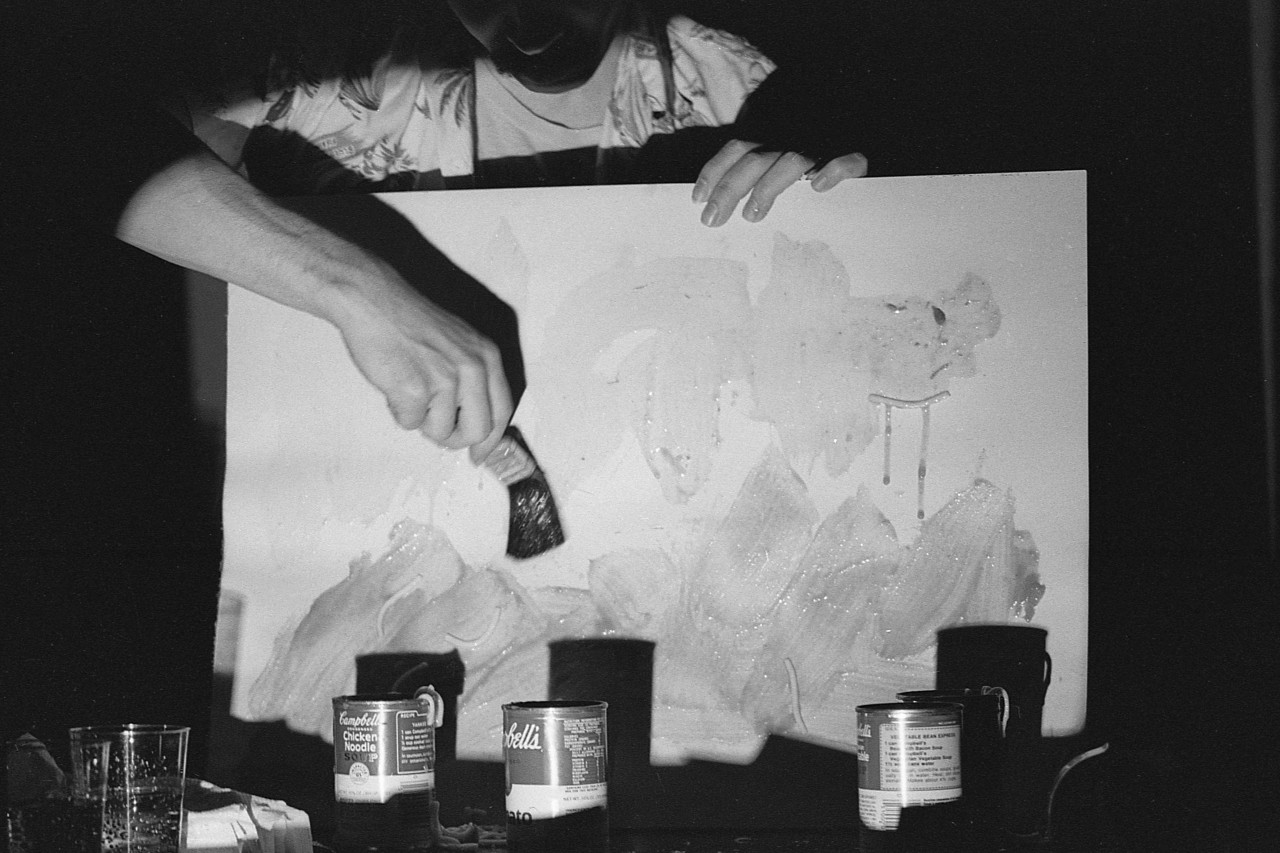
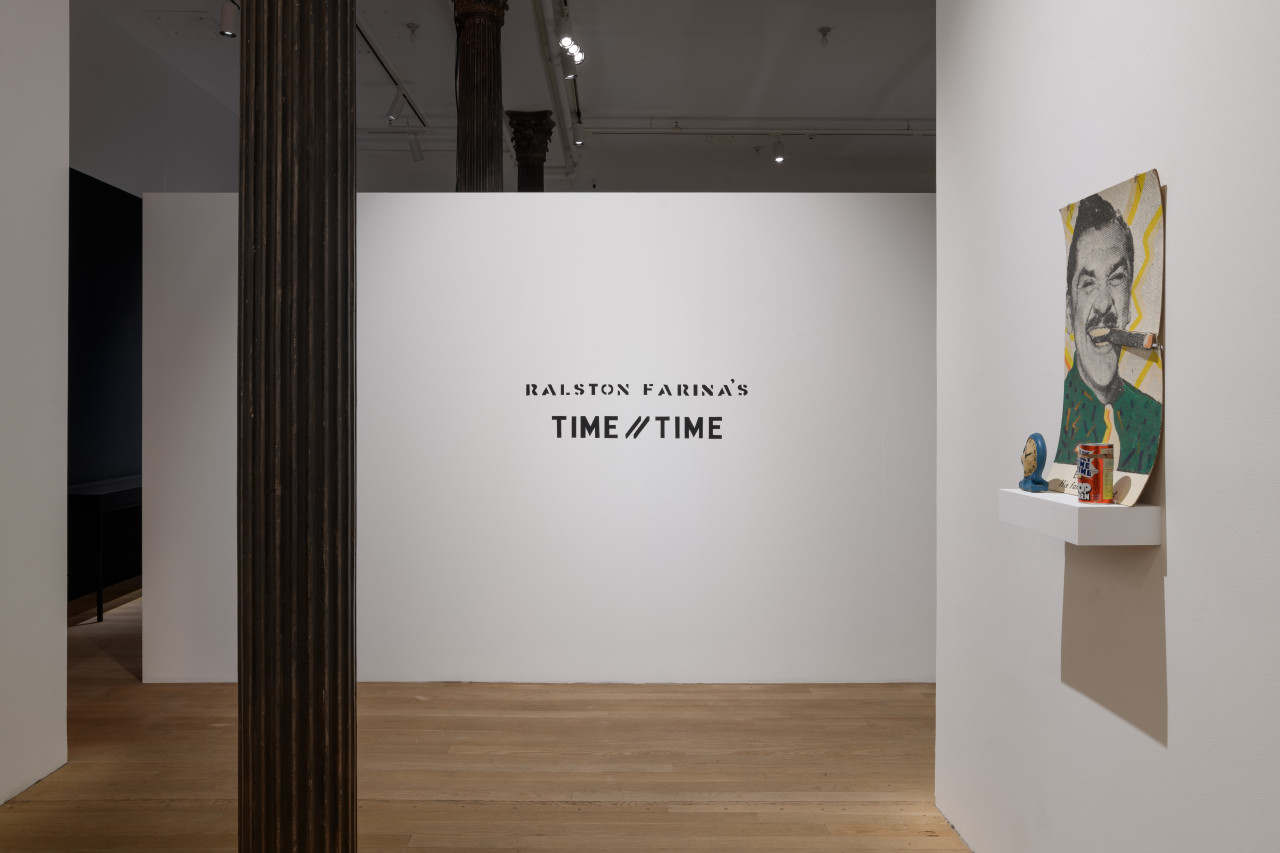
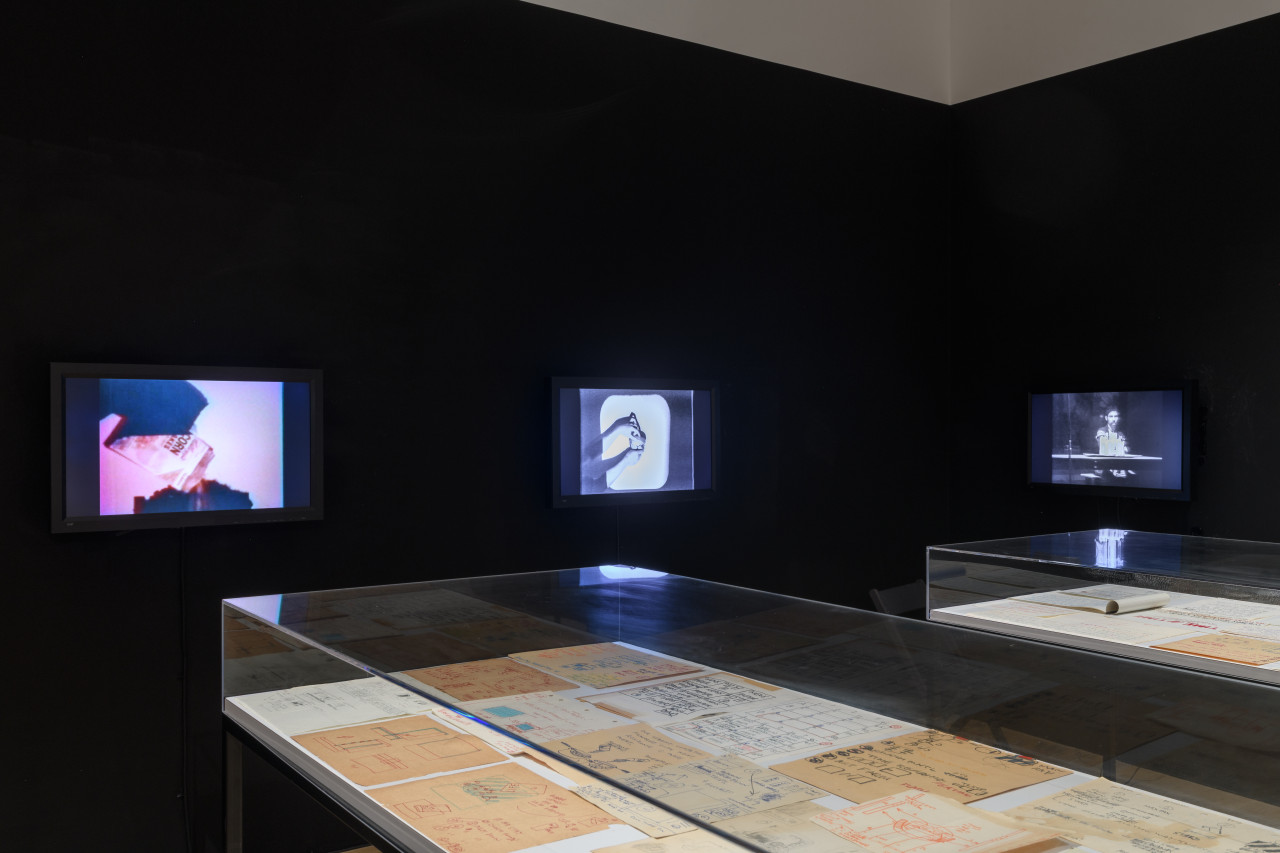
Artists Space presents the first exhibition dedicated to the elusive artist Ralston Farina (1946–1985), drawn from his recently discovered archive. Foundational to the emergence of Downtown performance art in the 1970s, Farina developed novel techniques and theories for composing with time, grounded in his exhaustive inquiry into the affective dimensions of audience response. Working in close proximity to artists like Laurie Anderson and his mentor John Cage, Farina articulated his concept of “Time // Time.” Across clandestine and public locations, like storefront windows, as well as throughout the era’s emerging alternative venues, his performances sought to program memory itself.
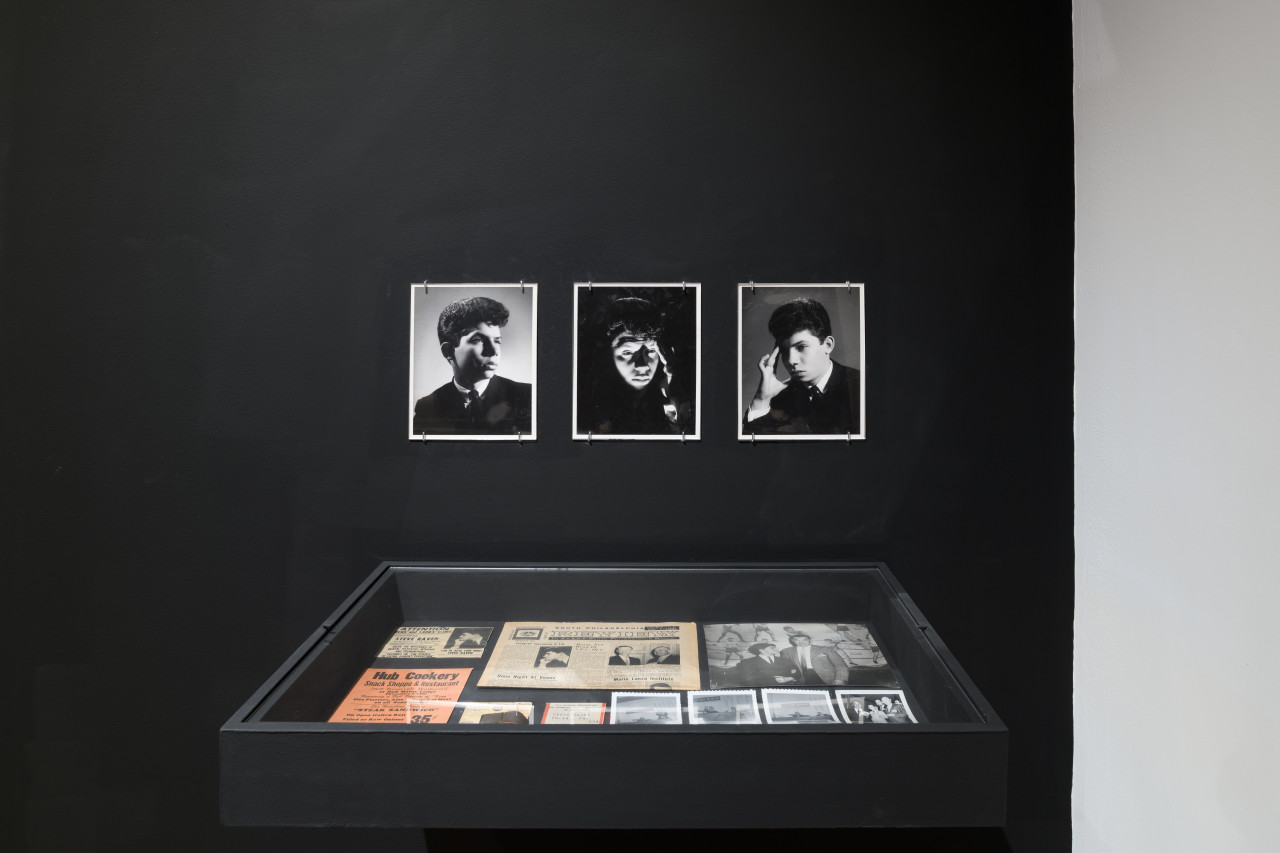
Farina began honing his stagecraft early in life as a child magician and mentalist in Philadelphia. These formative studies of magic, mystification, and methods of misdirection remained core to his ethos as a New York underground performer. Inspired by Ernie Kovacs's prankish and surreal televised performances, pop art’s recasting of branding and advertising (note his pastiche alias), and heady theories of time-consciousness espoused by philosophers Bergson, Wittgenstein, and Husserl, he publicly manifested the mechanistic and residual possibilities of art performance.
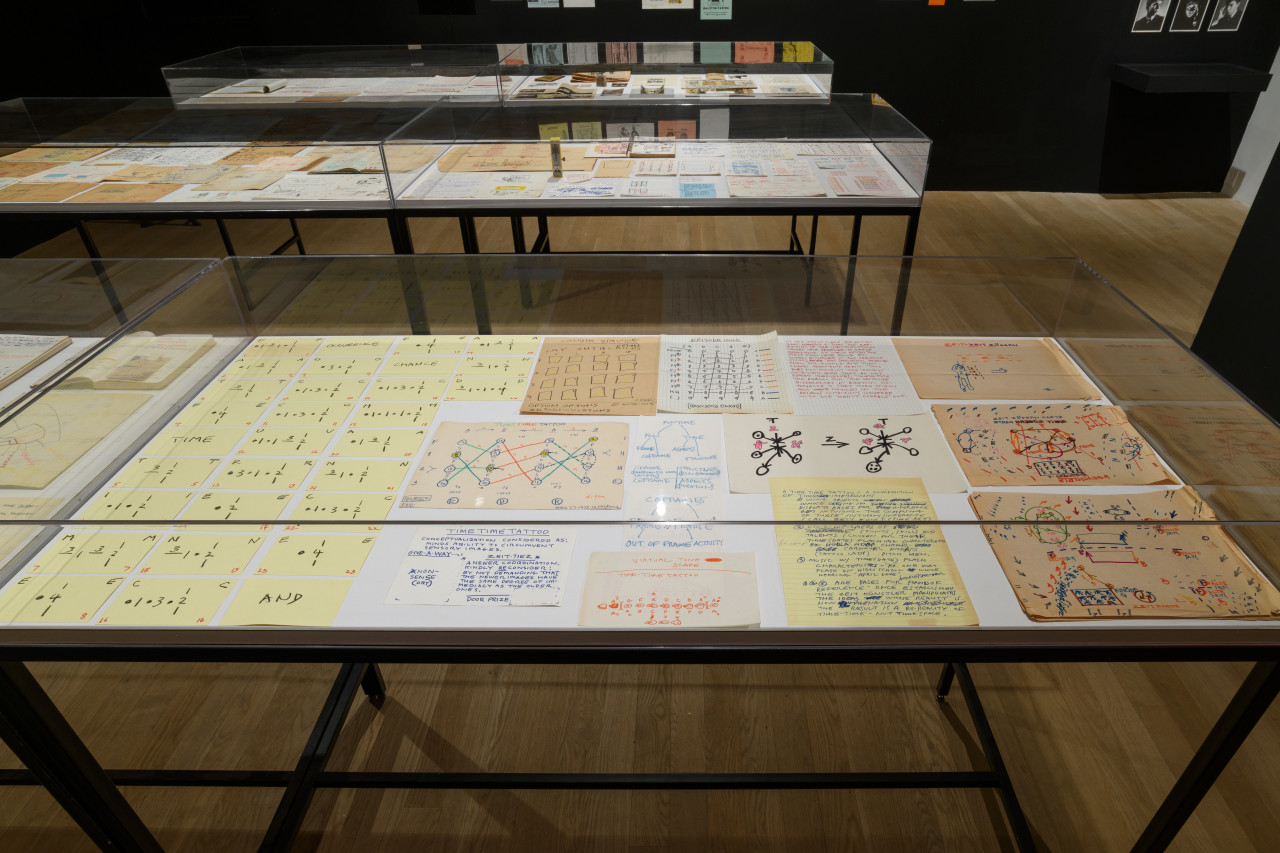
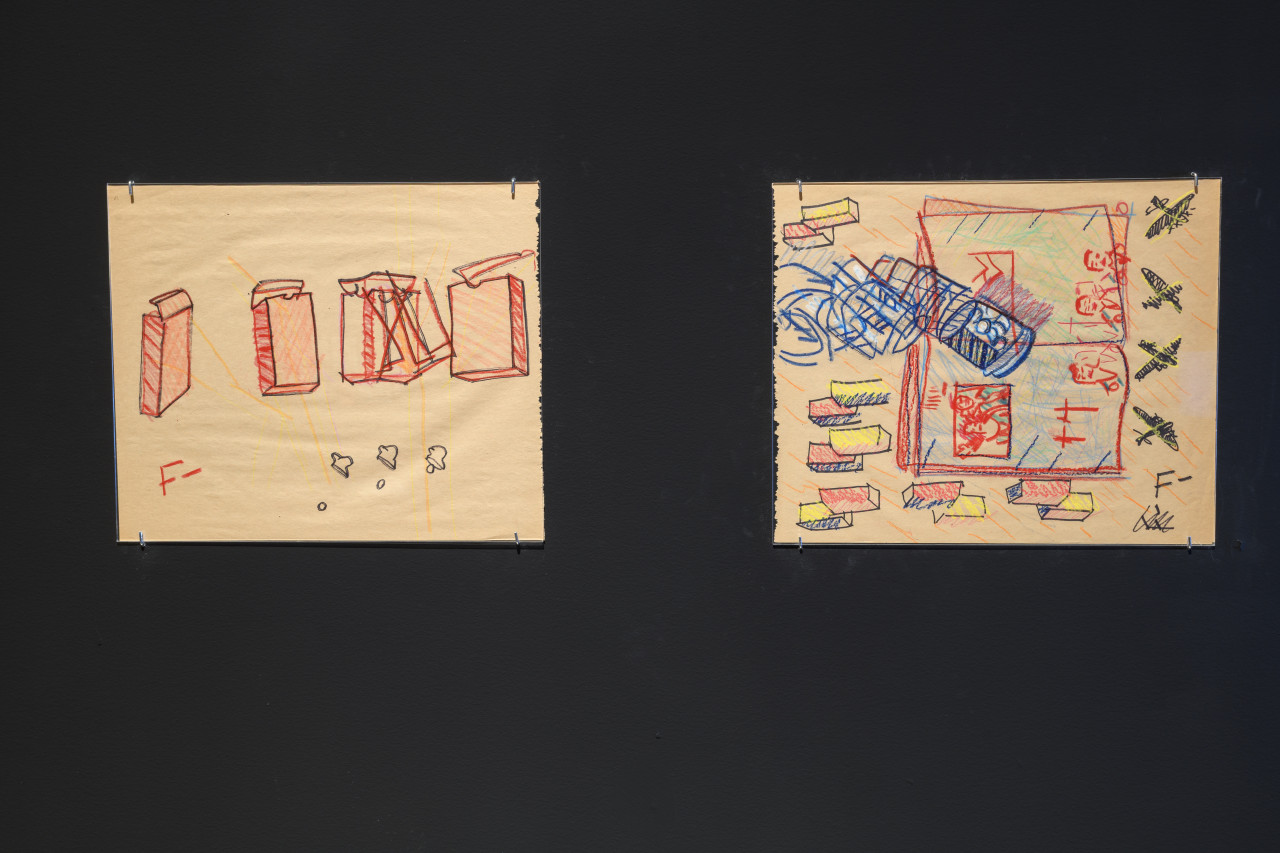
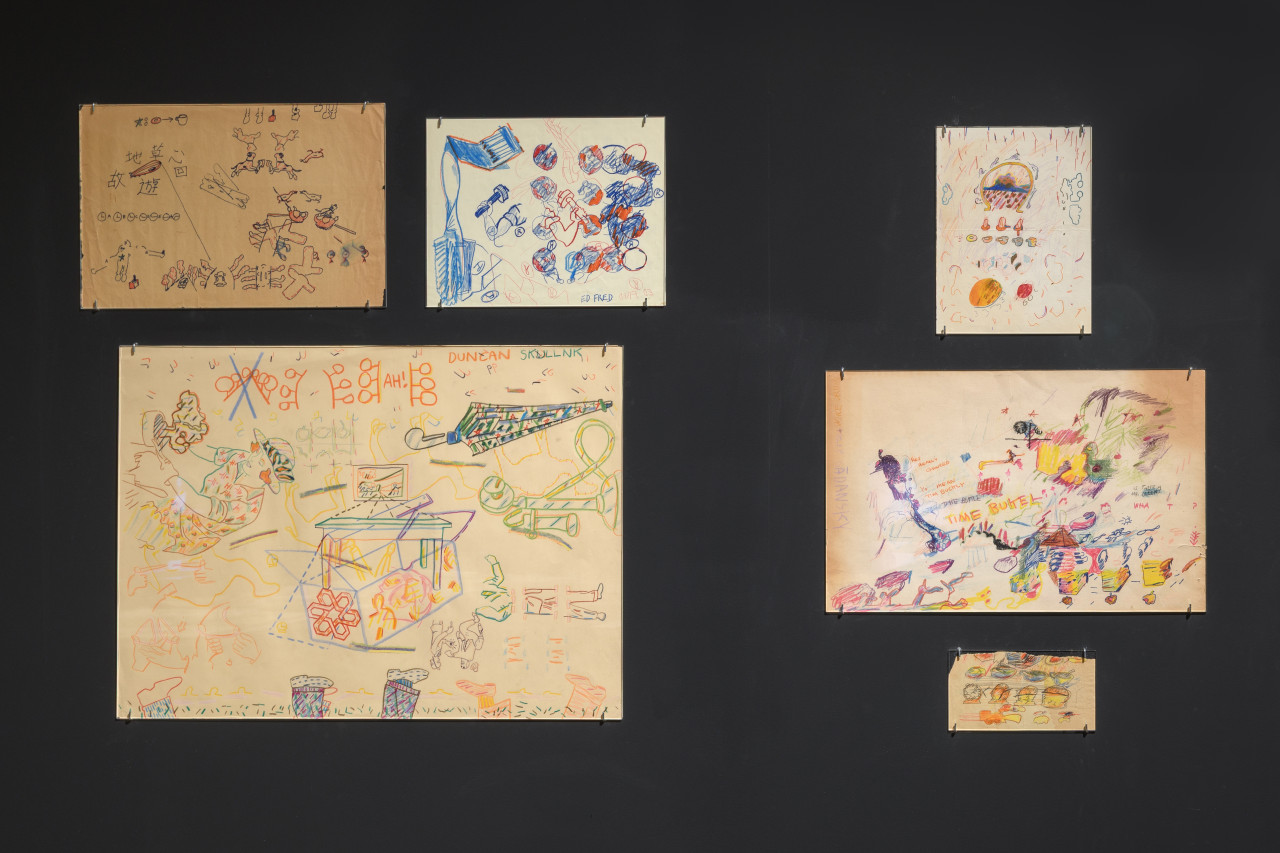
Playing with audience anticipation and expectation, Farina developed arcane systems by which theatrical sequences of actions and object manipulations could be mapped and modeled using various philosophical, mathematical, and aesthetic notions of time. His aim was to maximize surprise through timing so that experience itself, and his artistry, would appear as an object shaped within memory. As Farina stated: “My medium is time. The materials I work with, the objects and images, are merely moments of punctuation, phrasing and articulation. The intended image is timing. The intended object is the time. The result is novelty phenomena.”
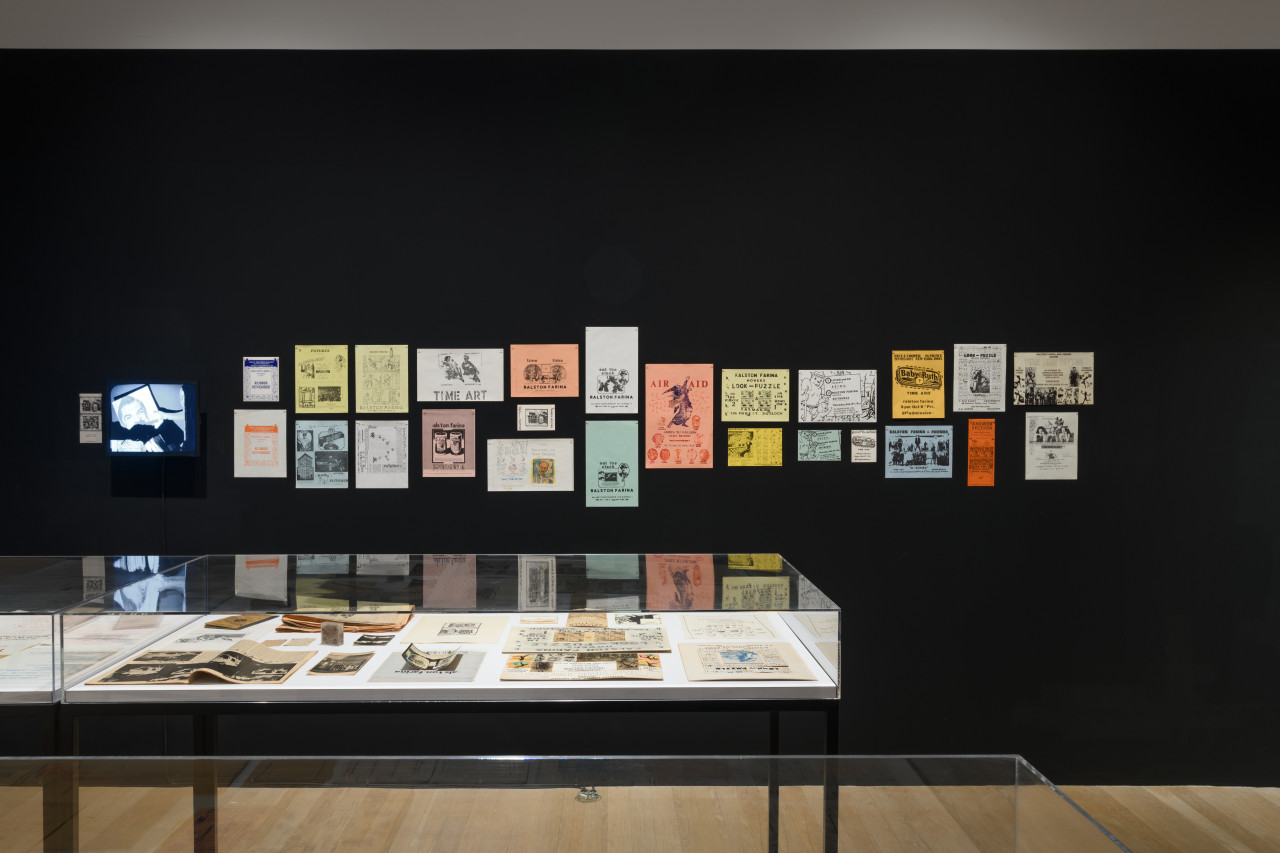
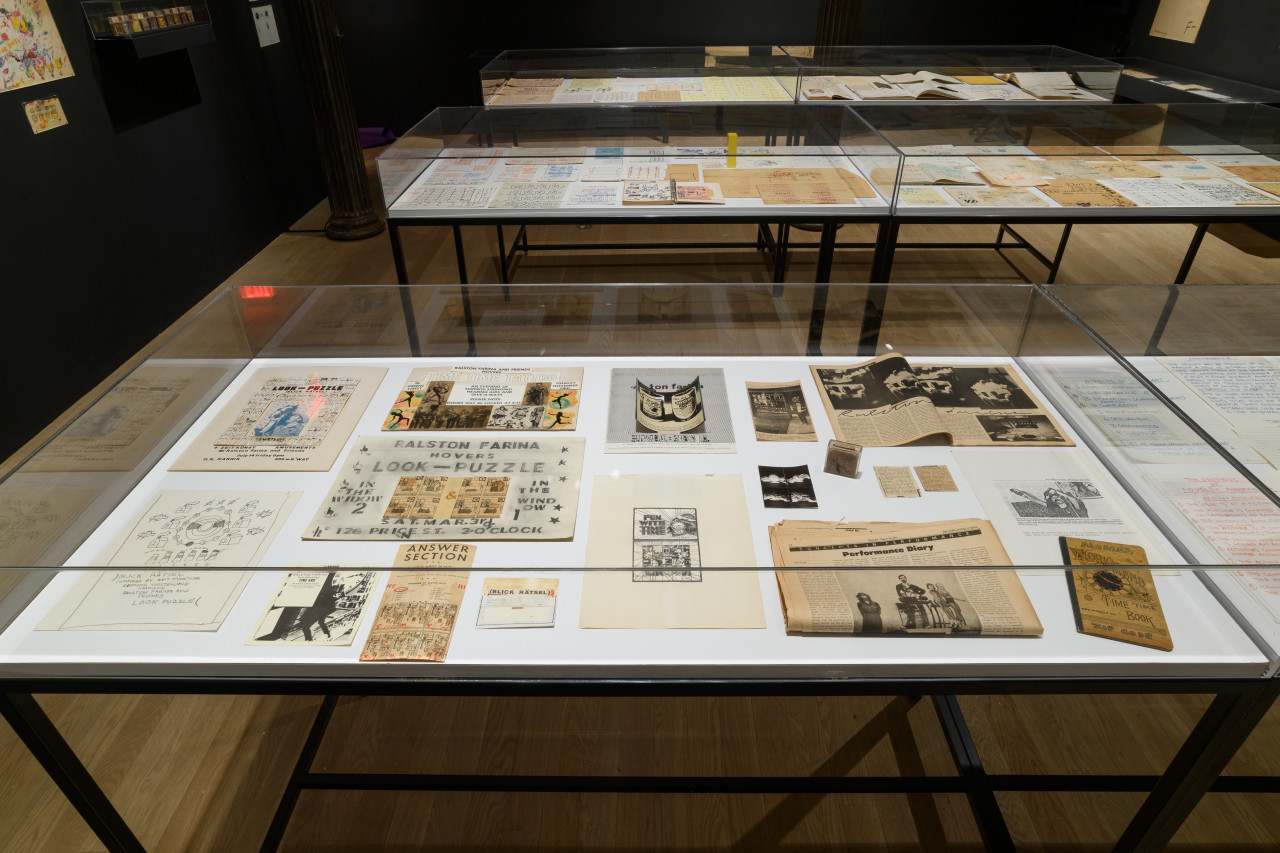
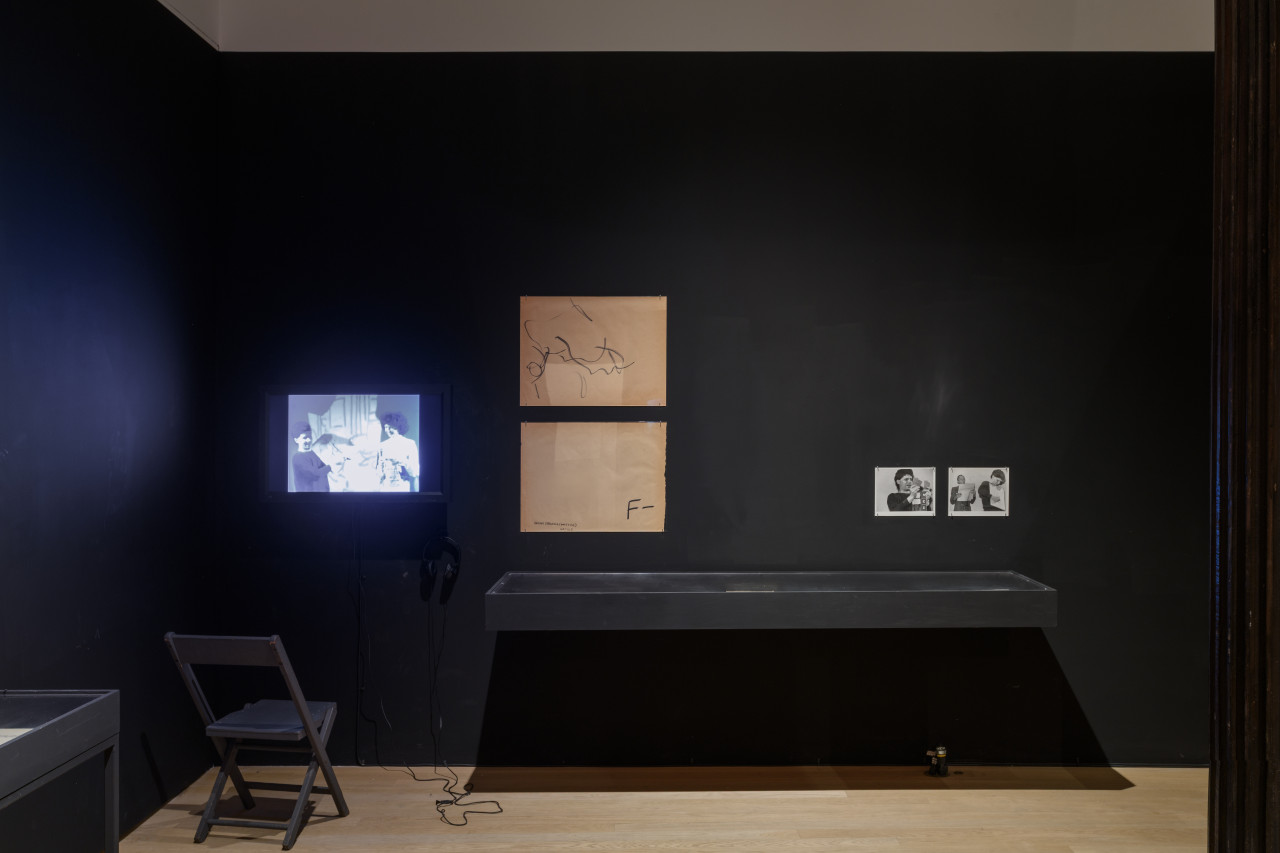
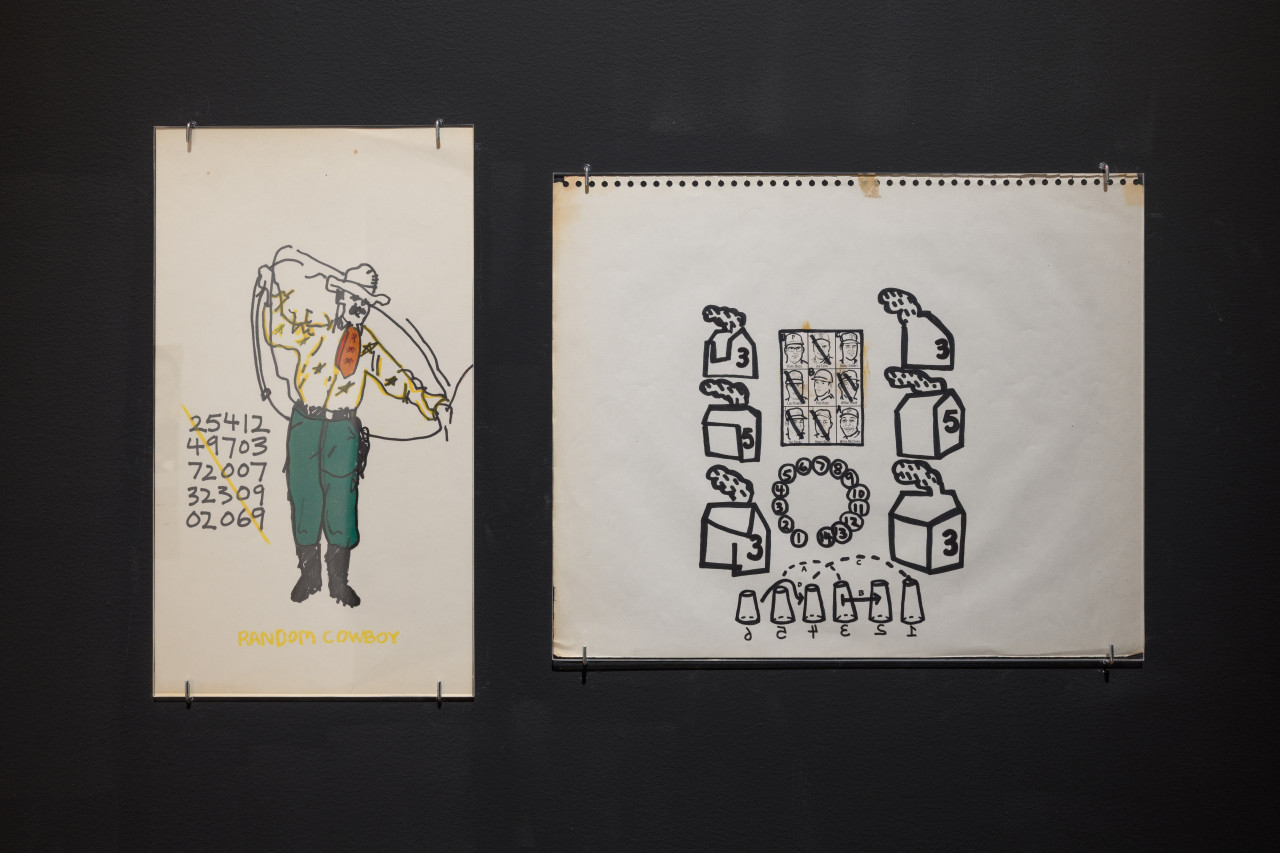
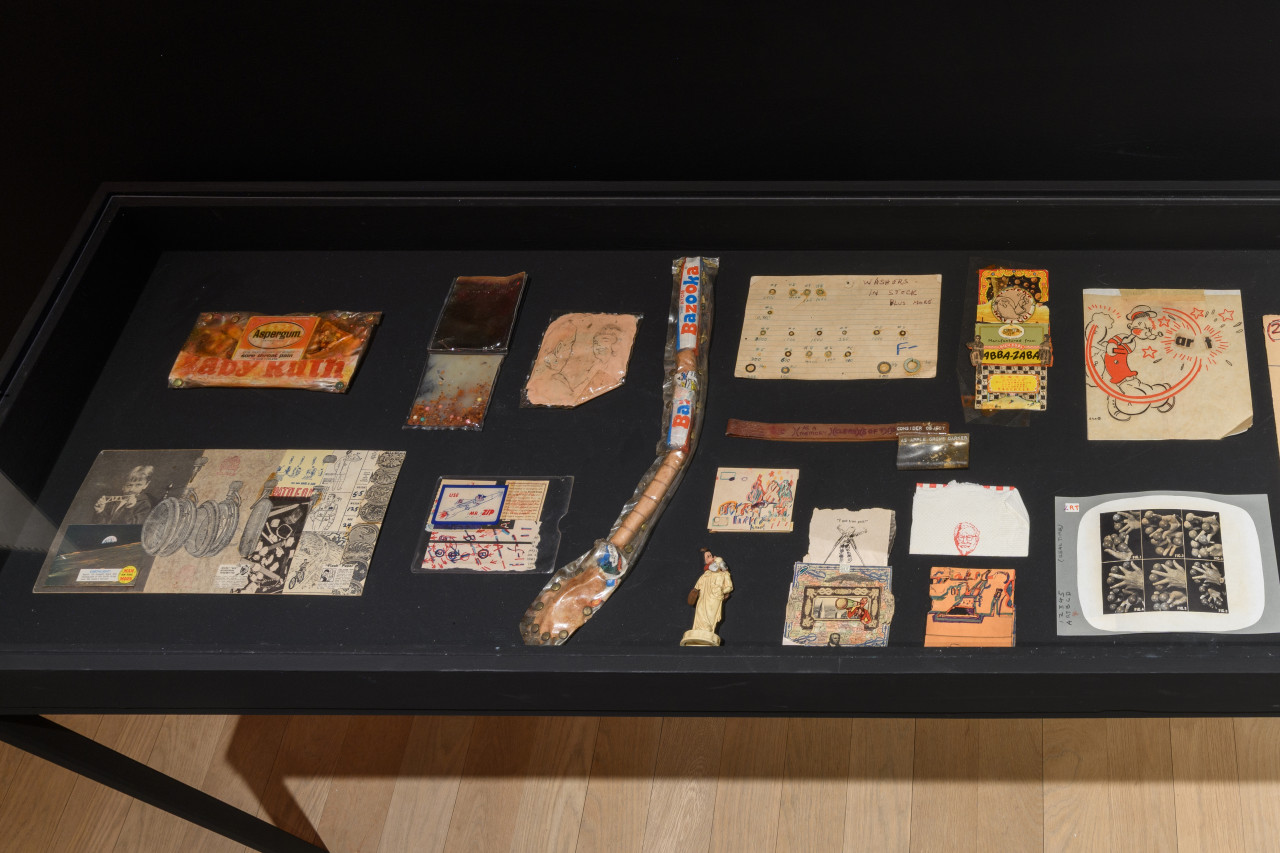
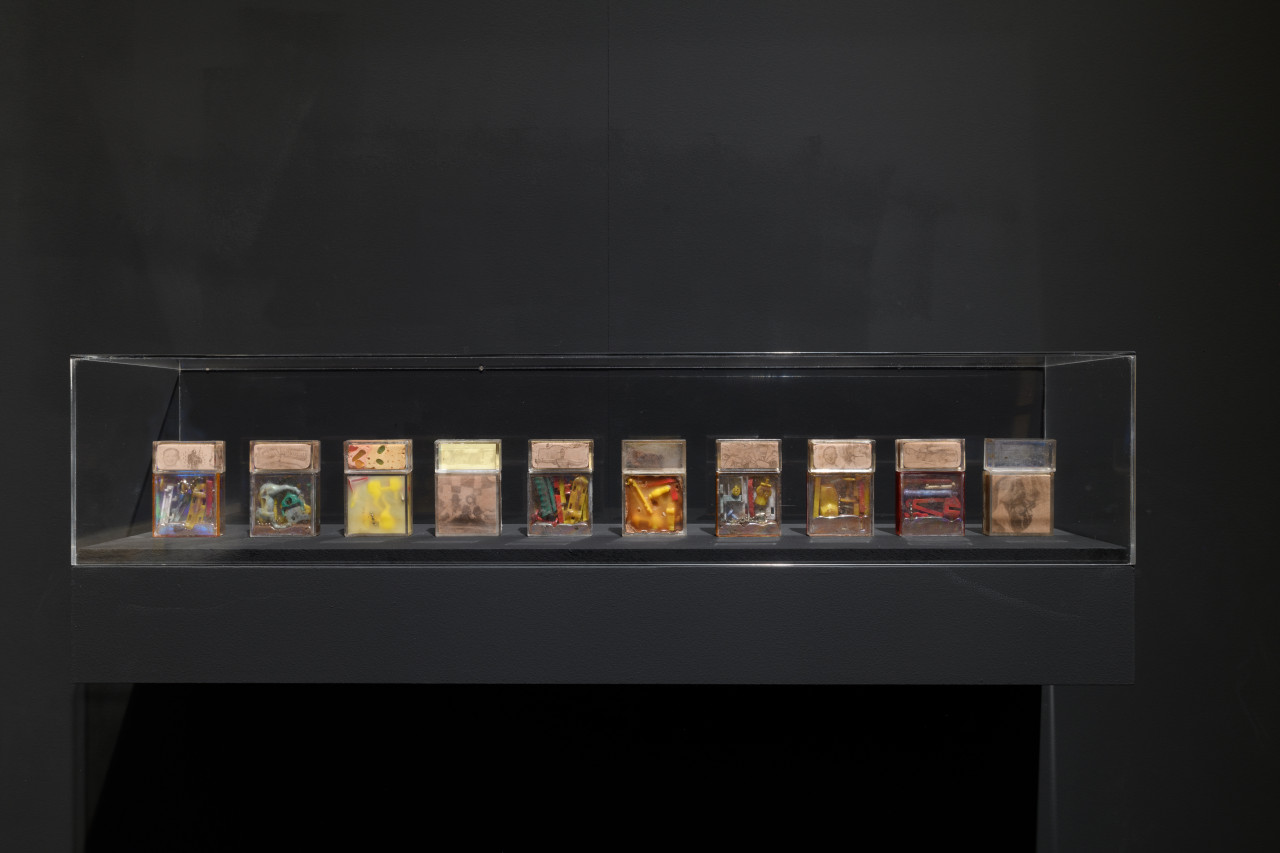
Farina was a bonafide showman boldly assured of his originality yet deeply fearful of his trade secrets being ripped off. His career-long mandate against documentation was by design; nonetheless, significant traces of performances do exist in a comprehensive archive, preserved by the artist’s close friends. It contains evidence of his studies in advanced mathematics and work with early computer technologies, private writings on time, diagrammatic compositions of his performances, as well as correspondences, props, and autonomous artworks he termed “time objects.” These materials offer a dense portrait of Farina’s life as an illusionist and artist whose homespun aesthetic was inflected by the most cutting-edge thinking of his era.