March 10 – May 23, 2026
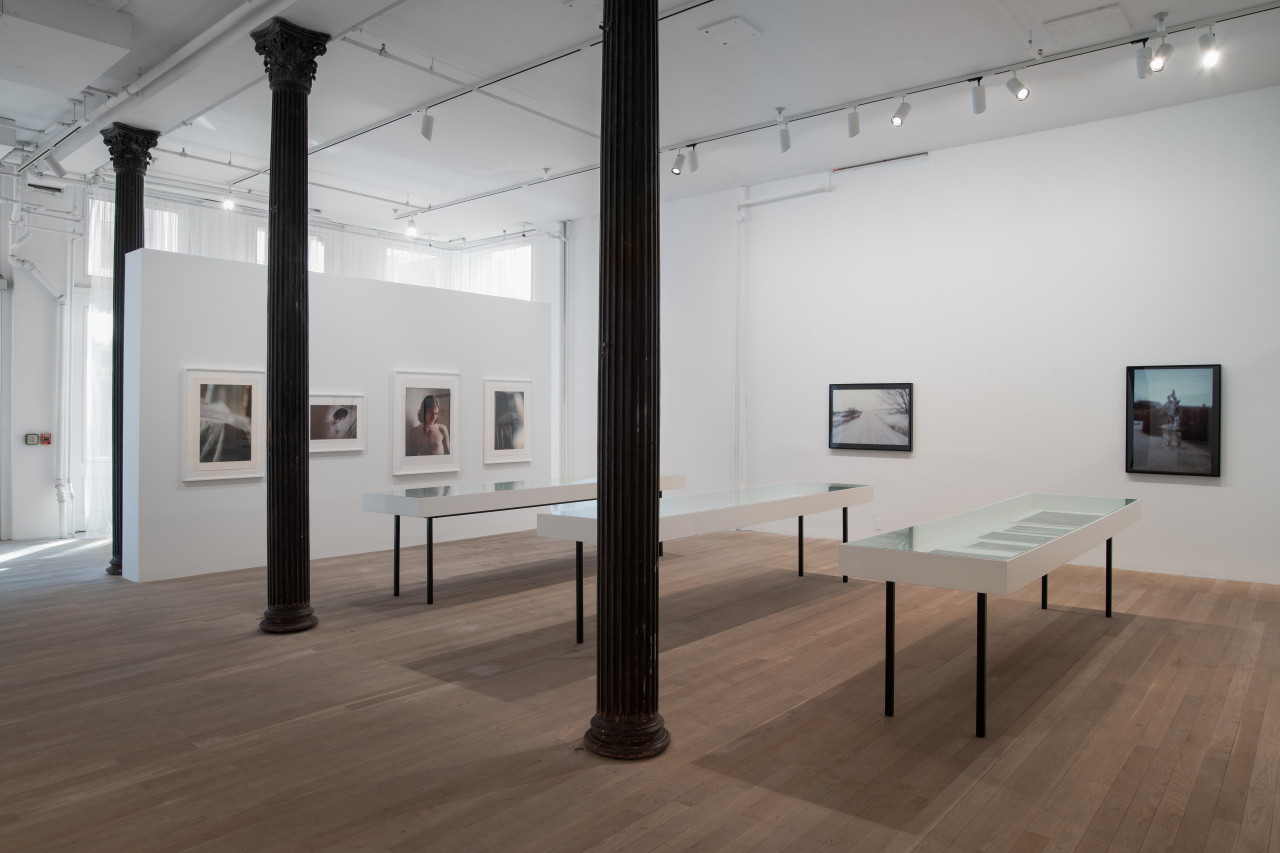
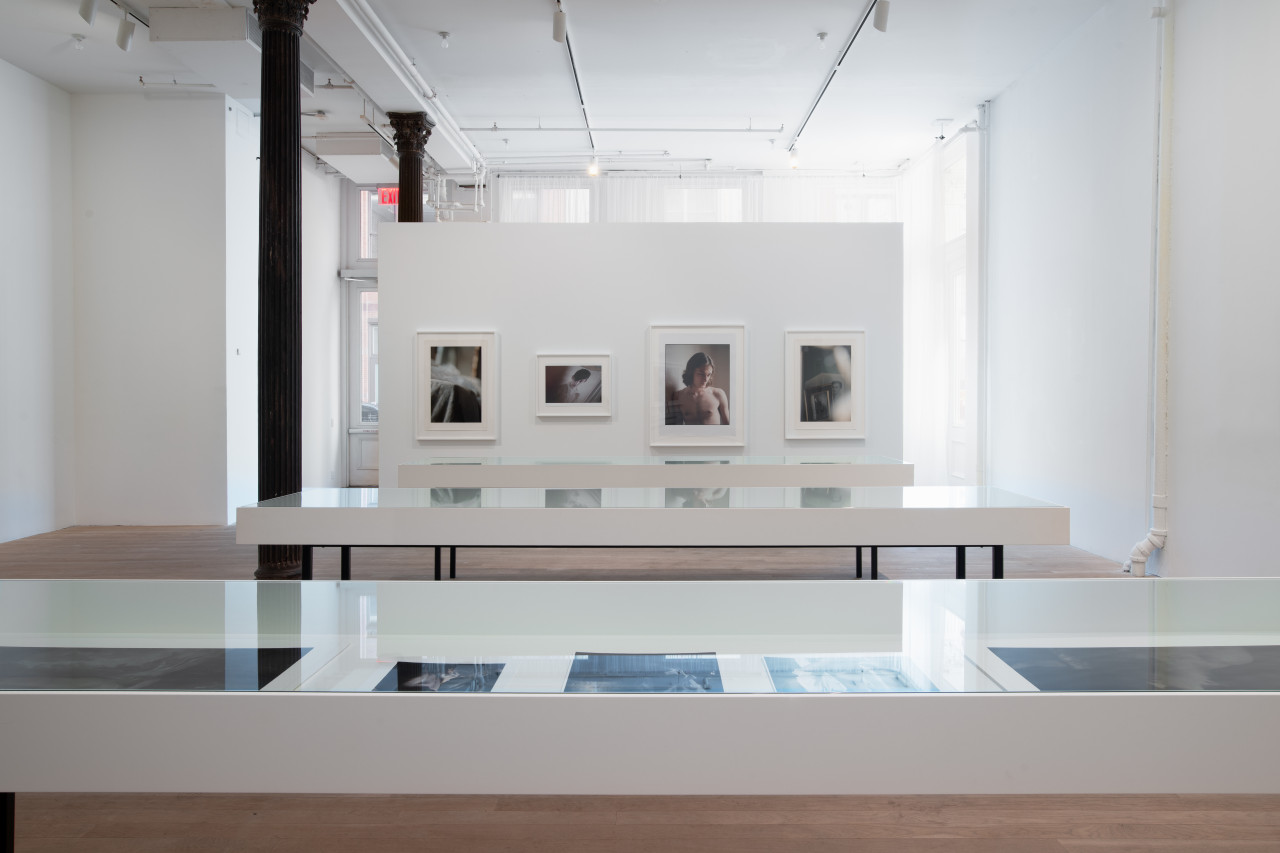
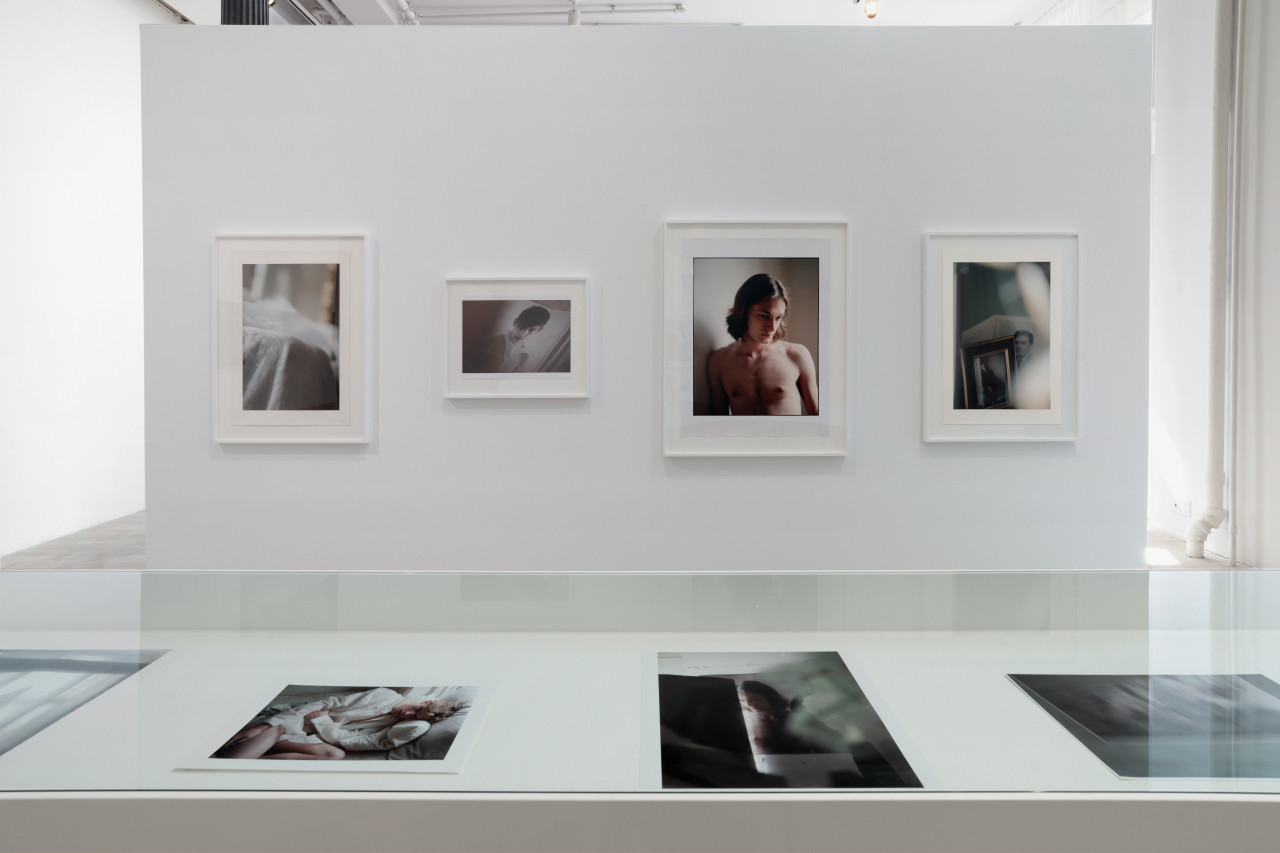
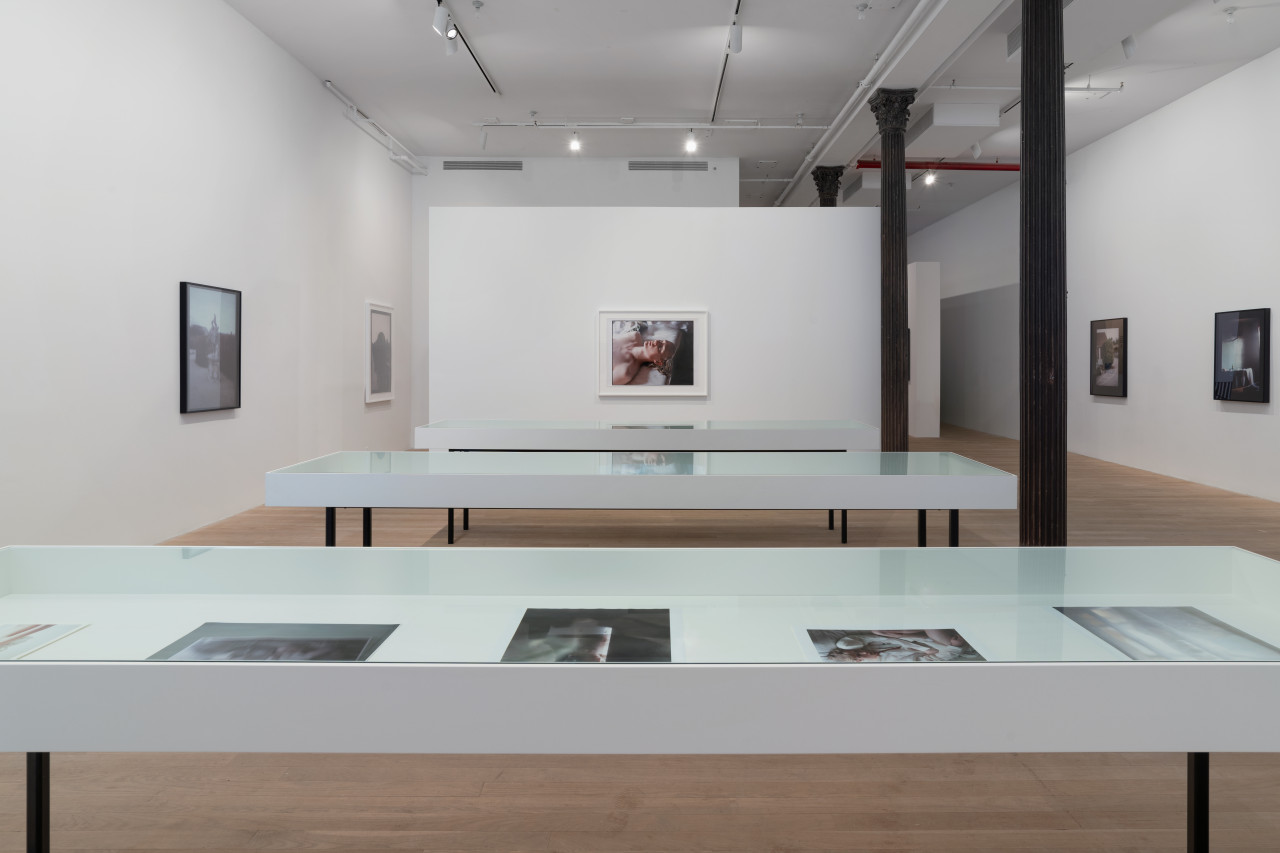
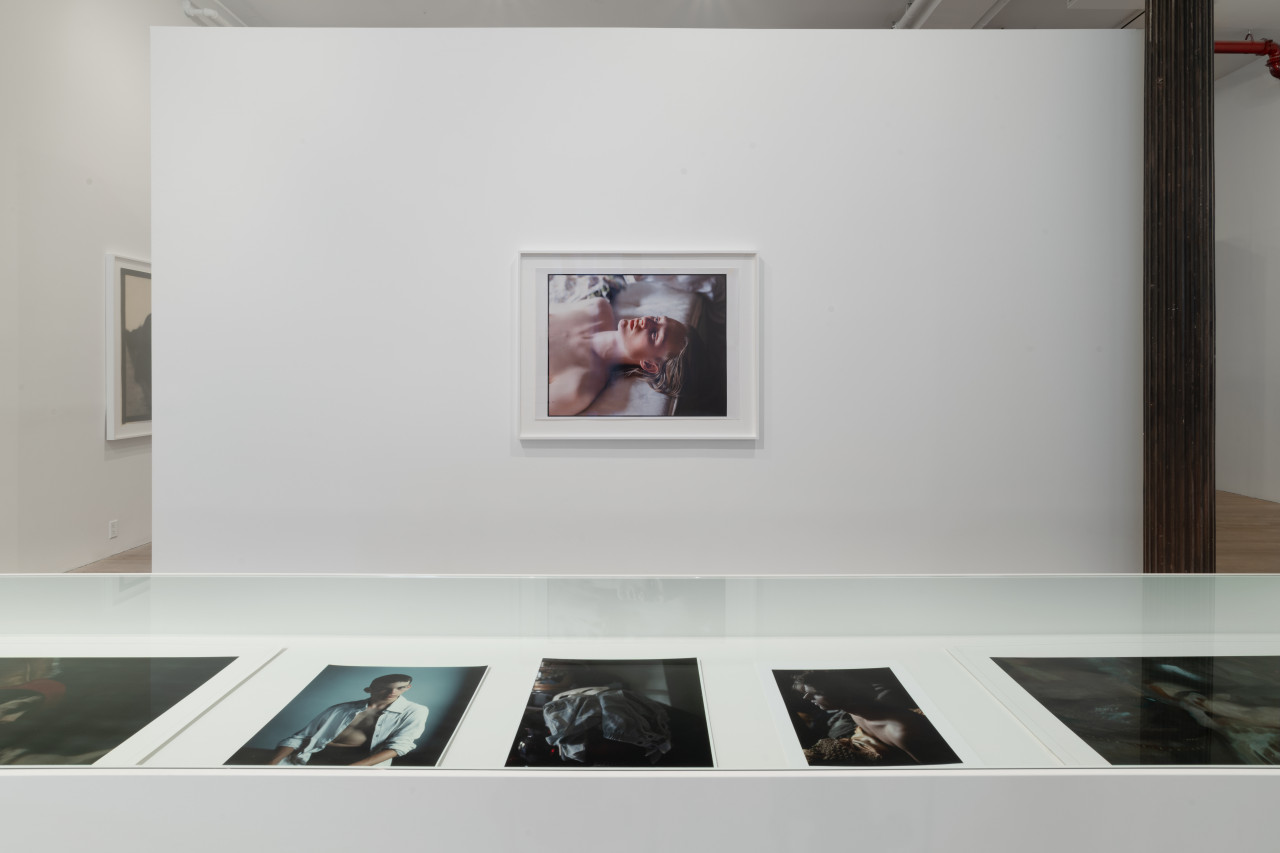
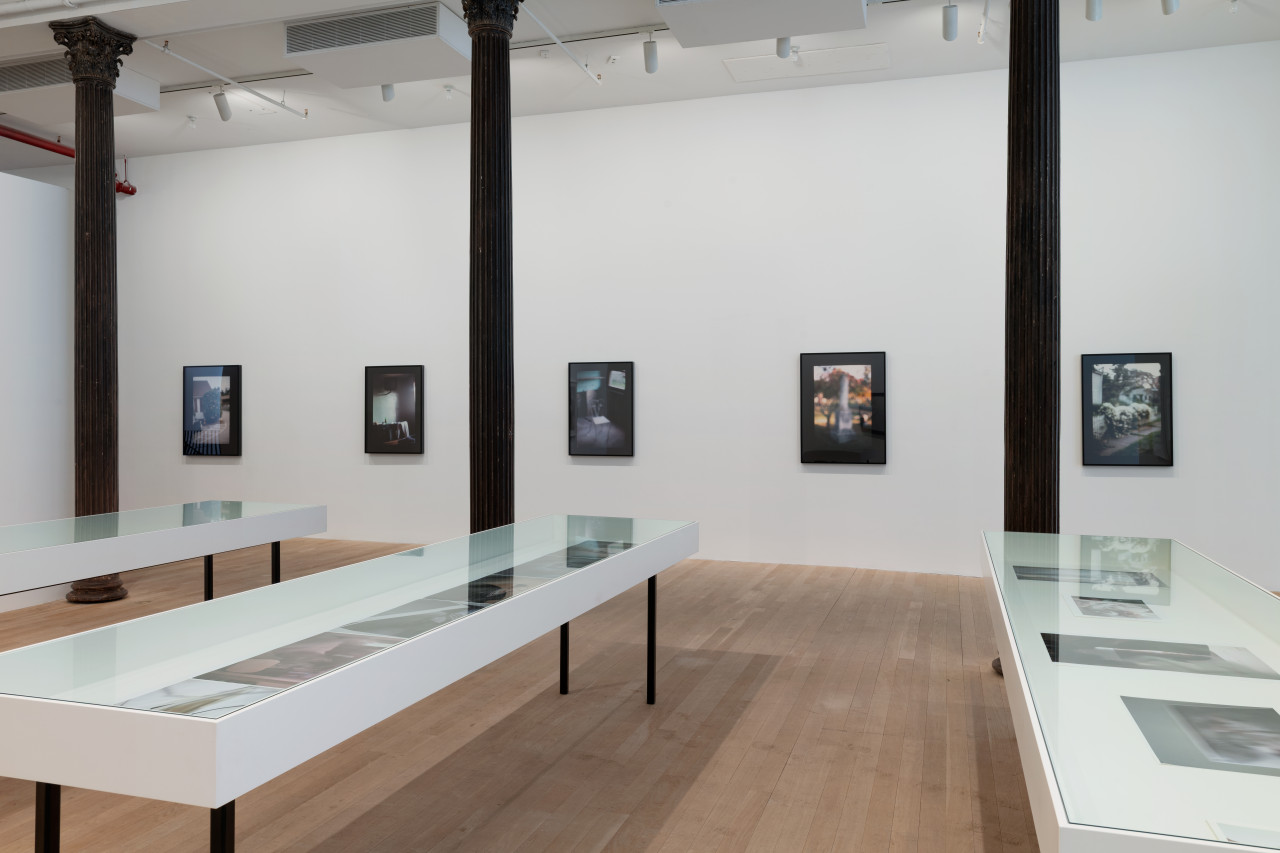
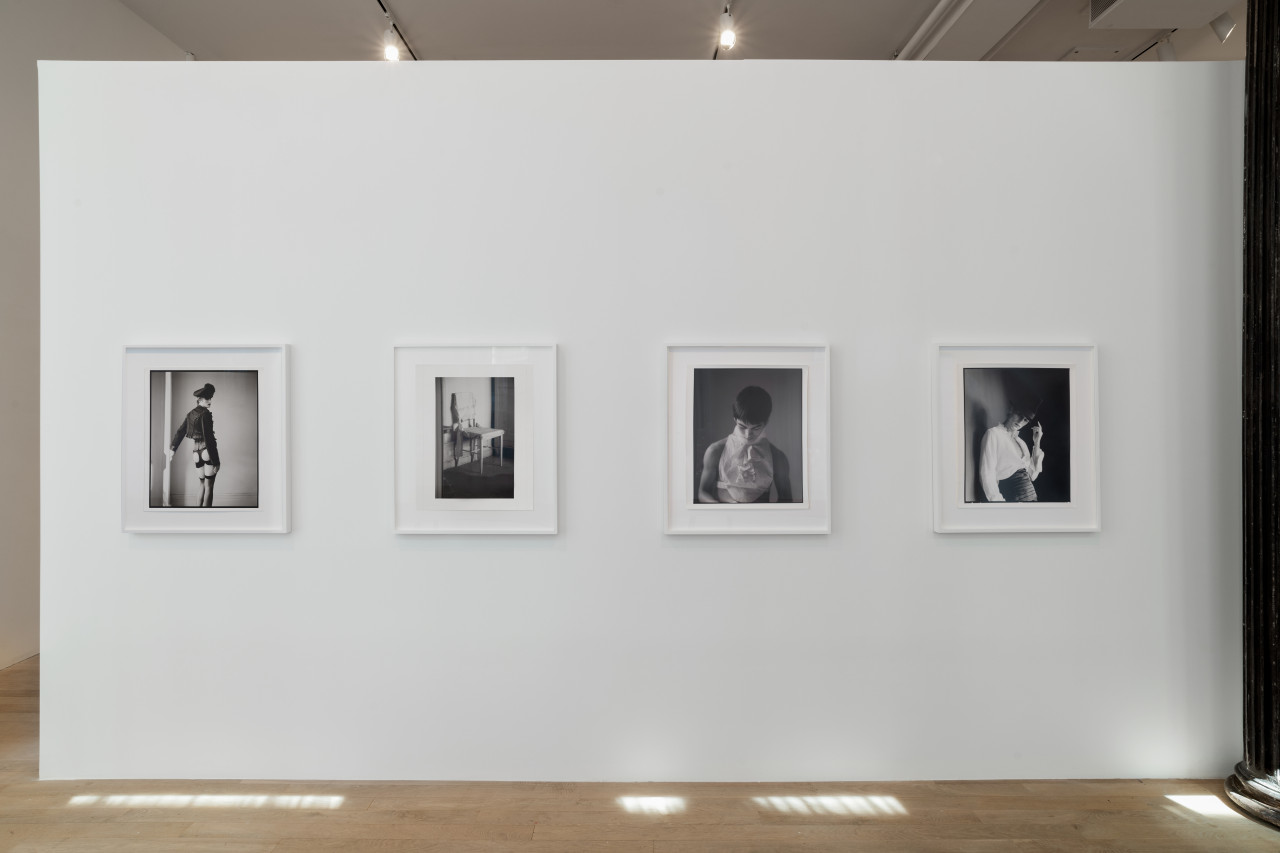
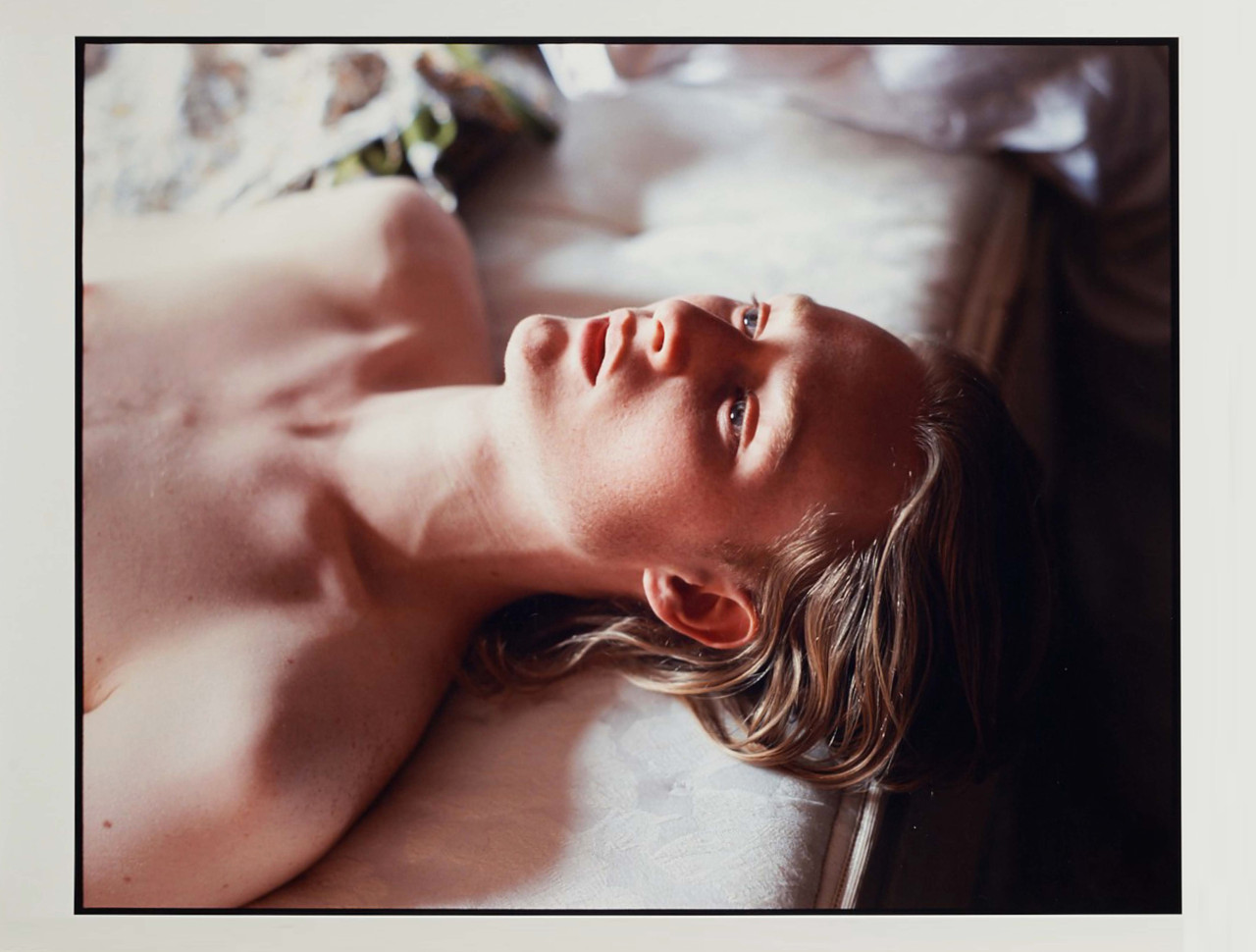
Artists Space presents the first US survey of photographer David Armstrong (1954–2014). Portraits illuminates Armstrong’s studied and experimental approach to the medium centered on an expansive deployment of portraiture, through which he transformed seemingly mundane landscapes, still lifes, and fashion imagery into vessels of intimacy, desire, and loss.
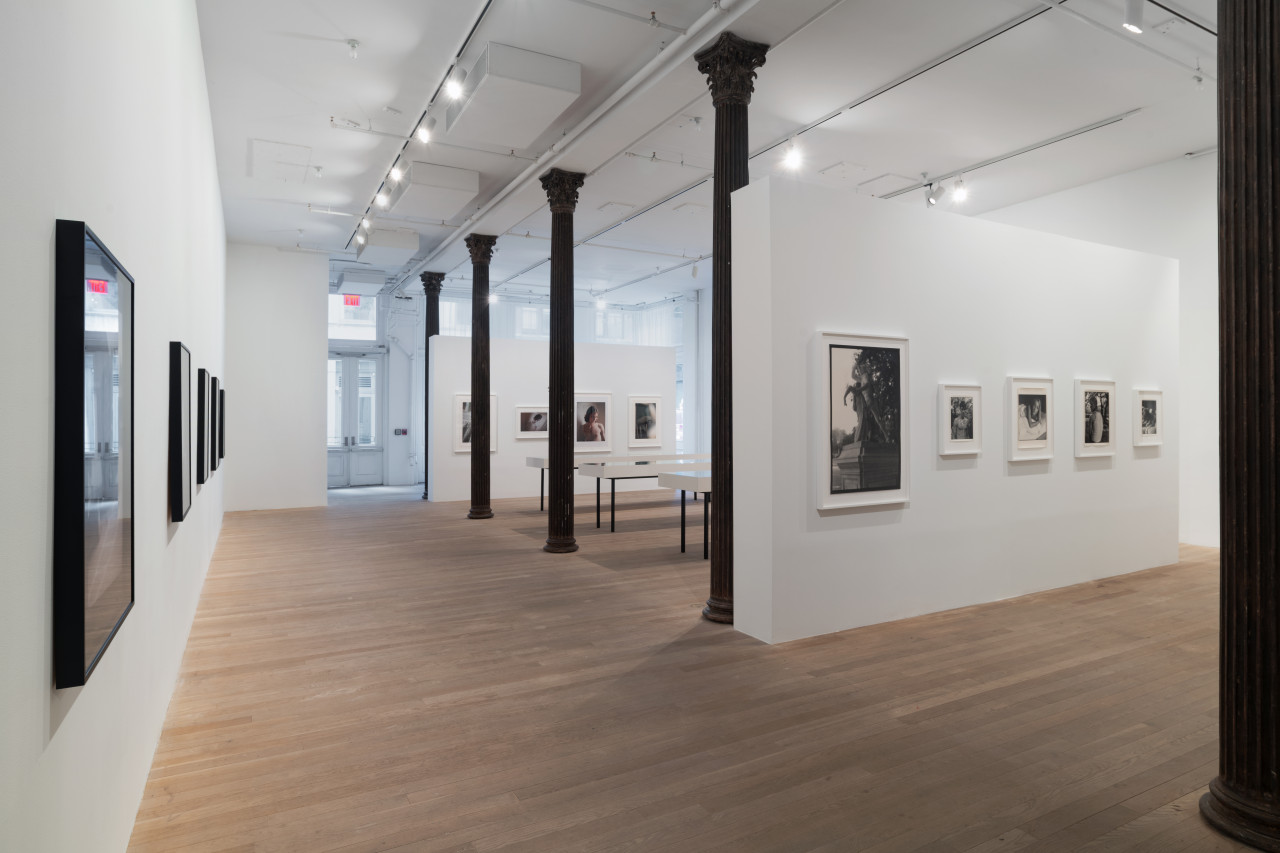
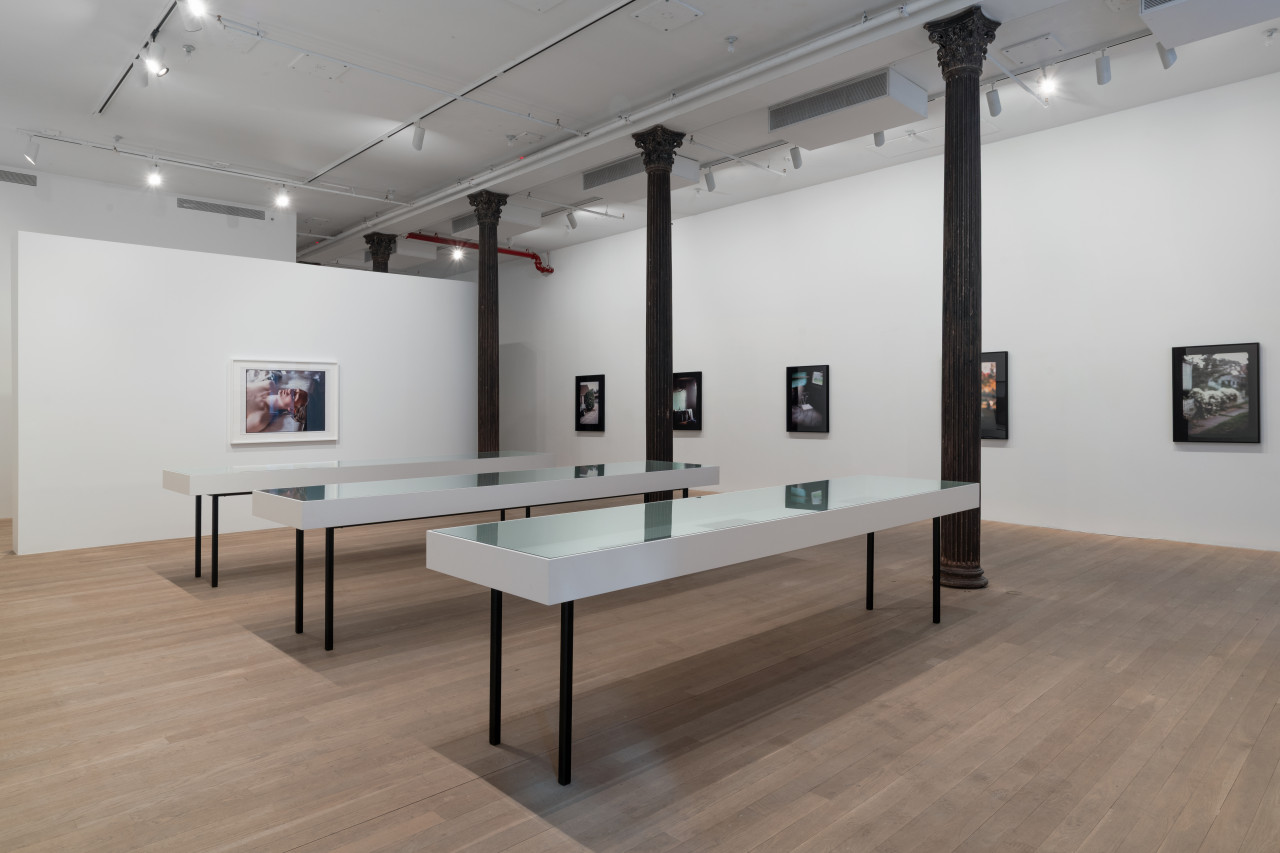
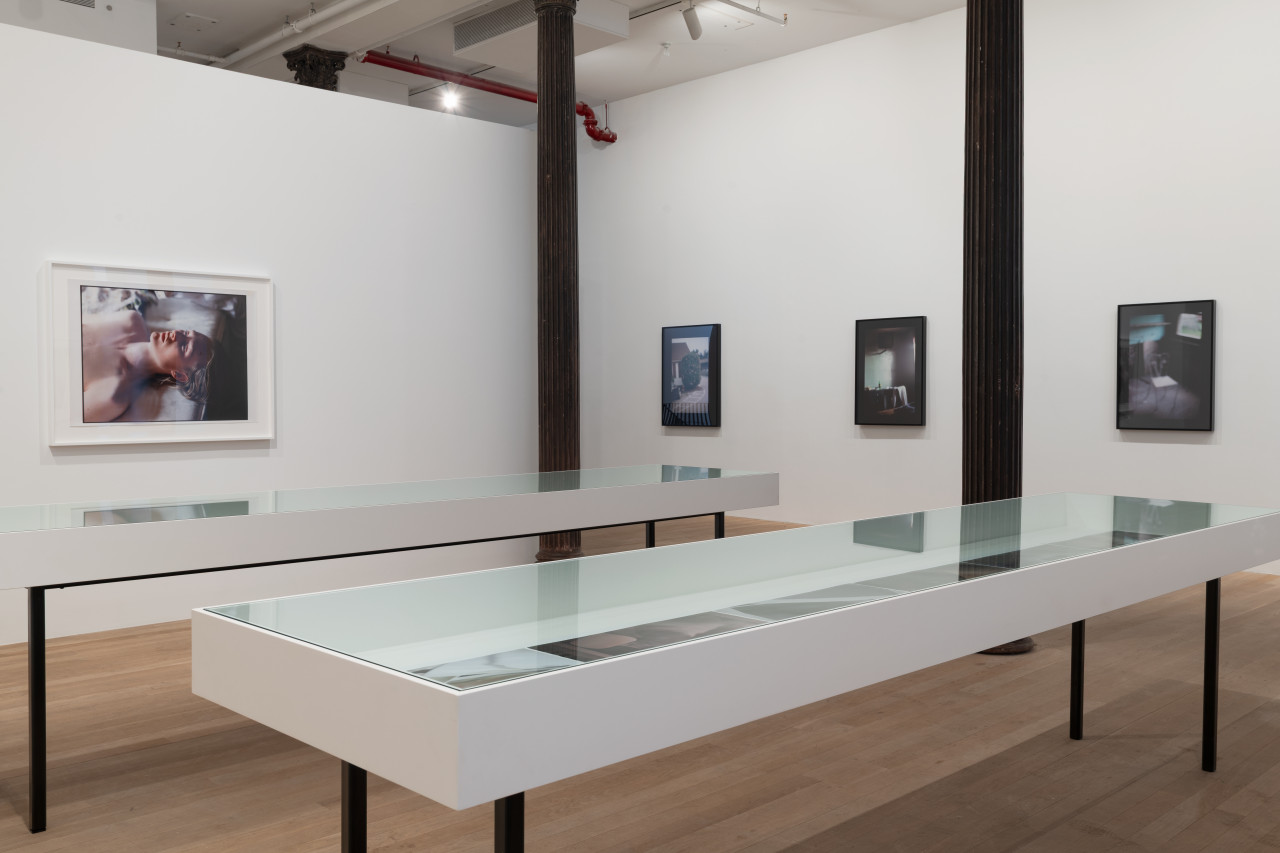
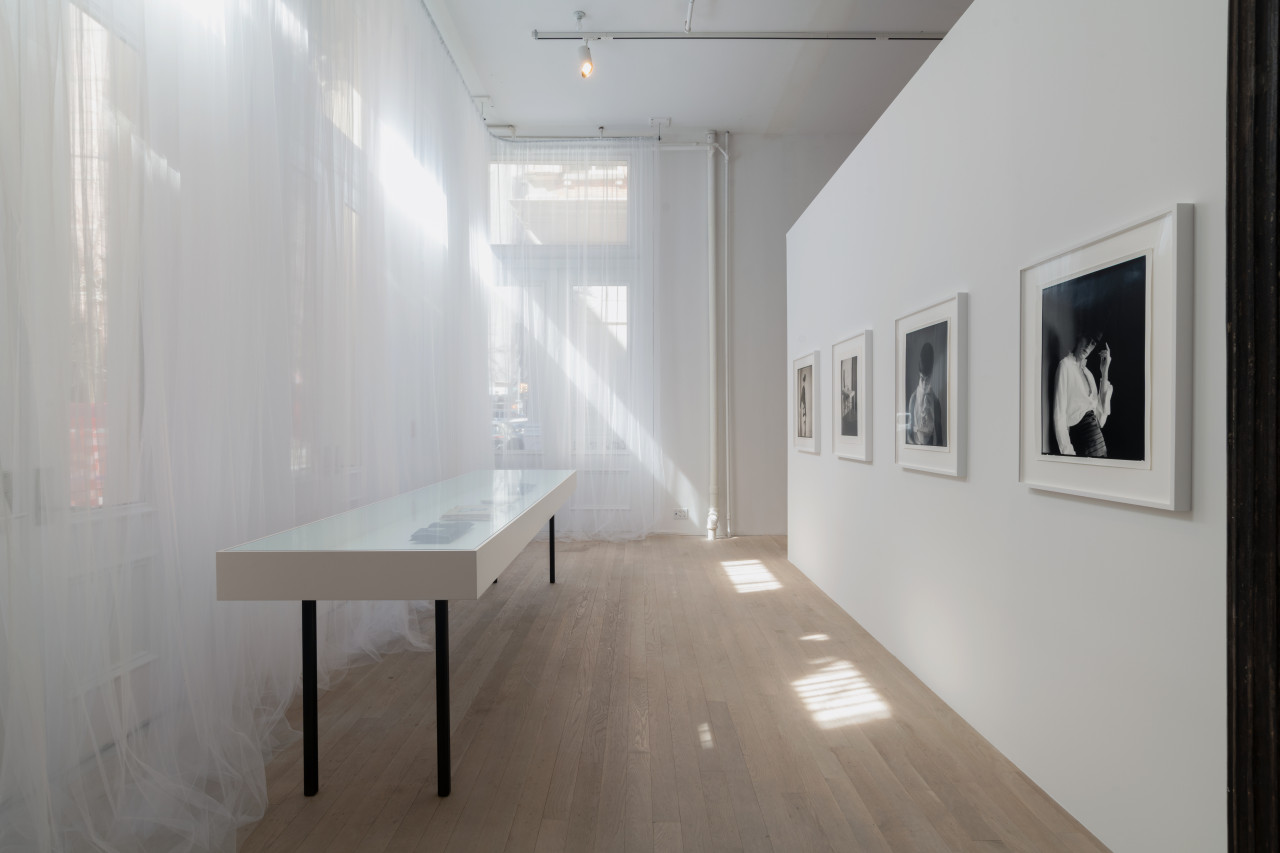
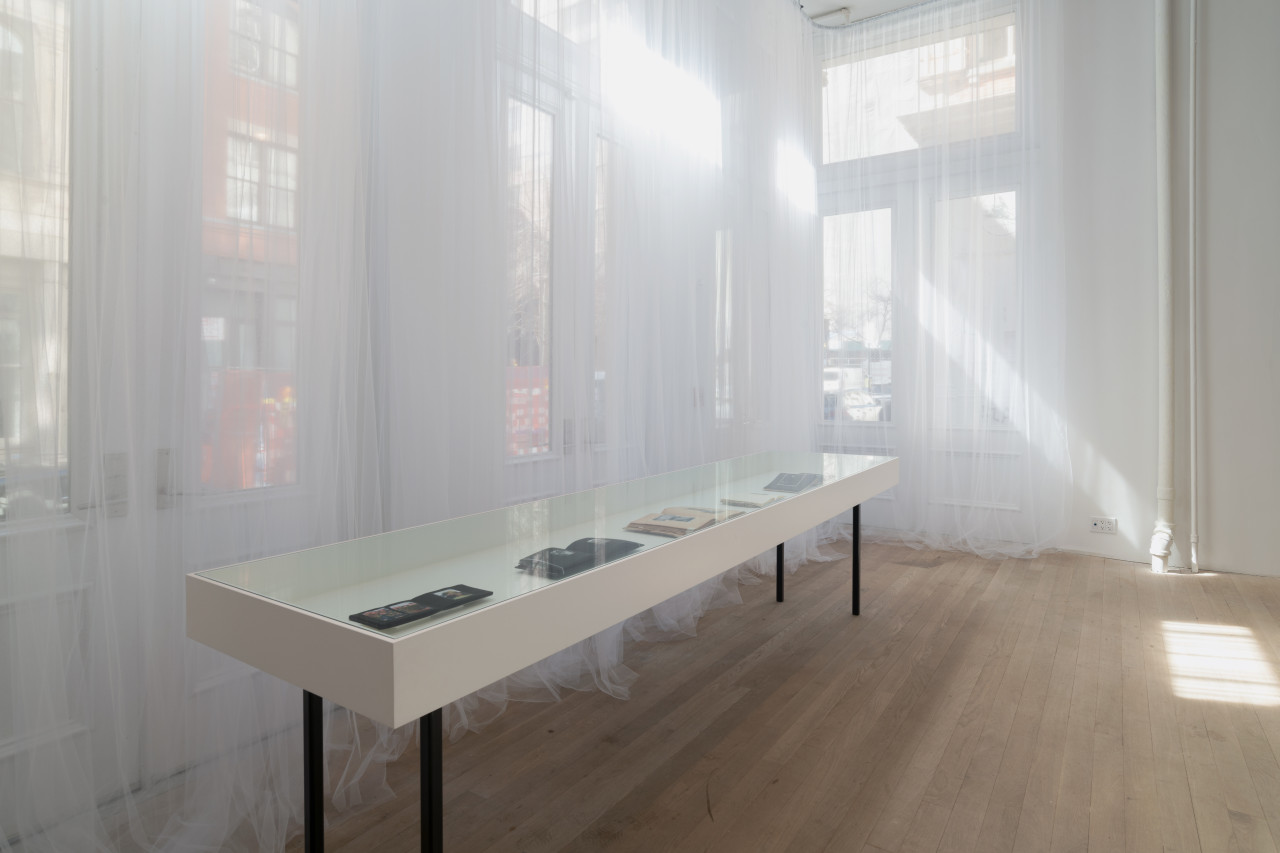
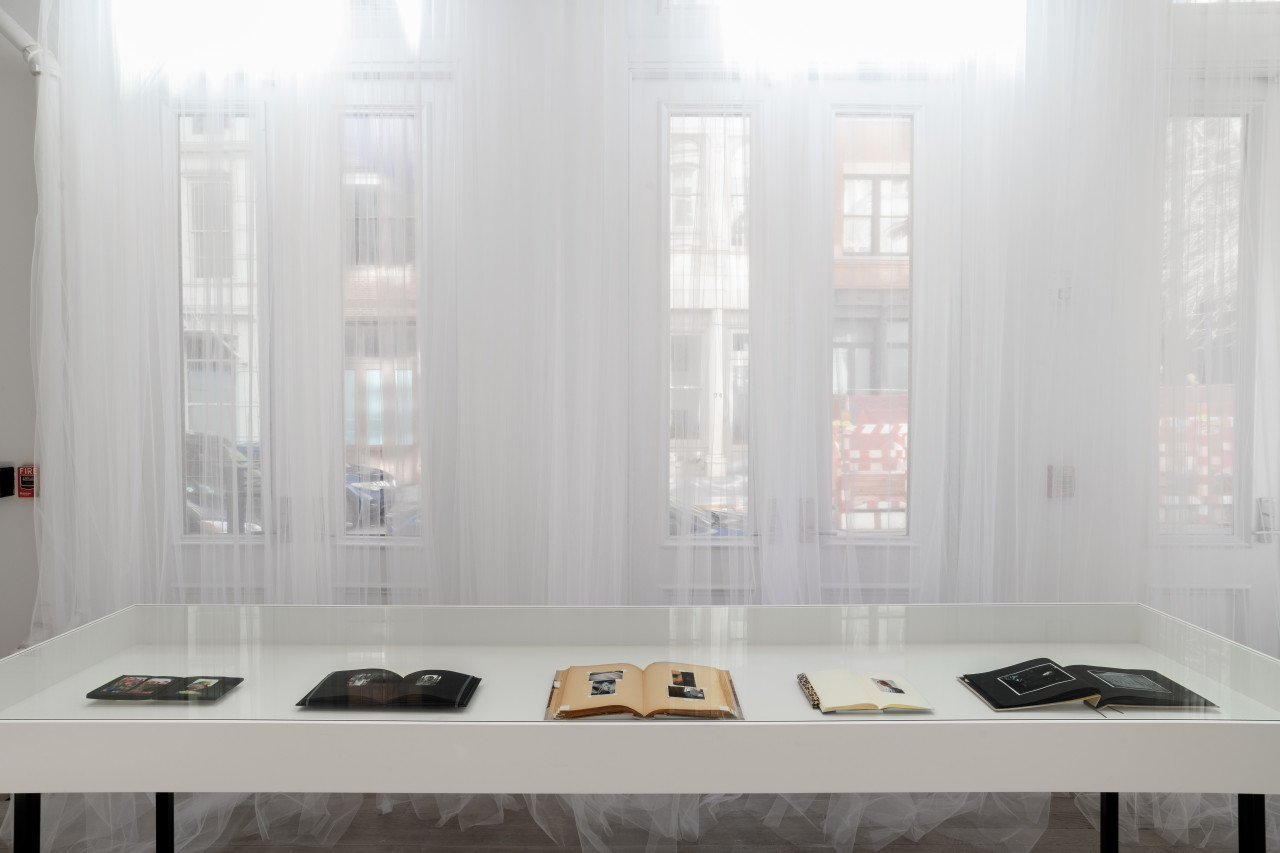
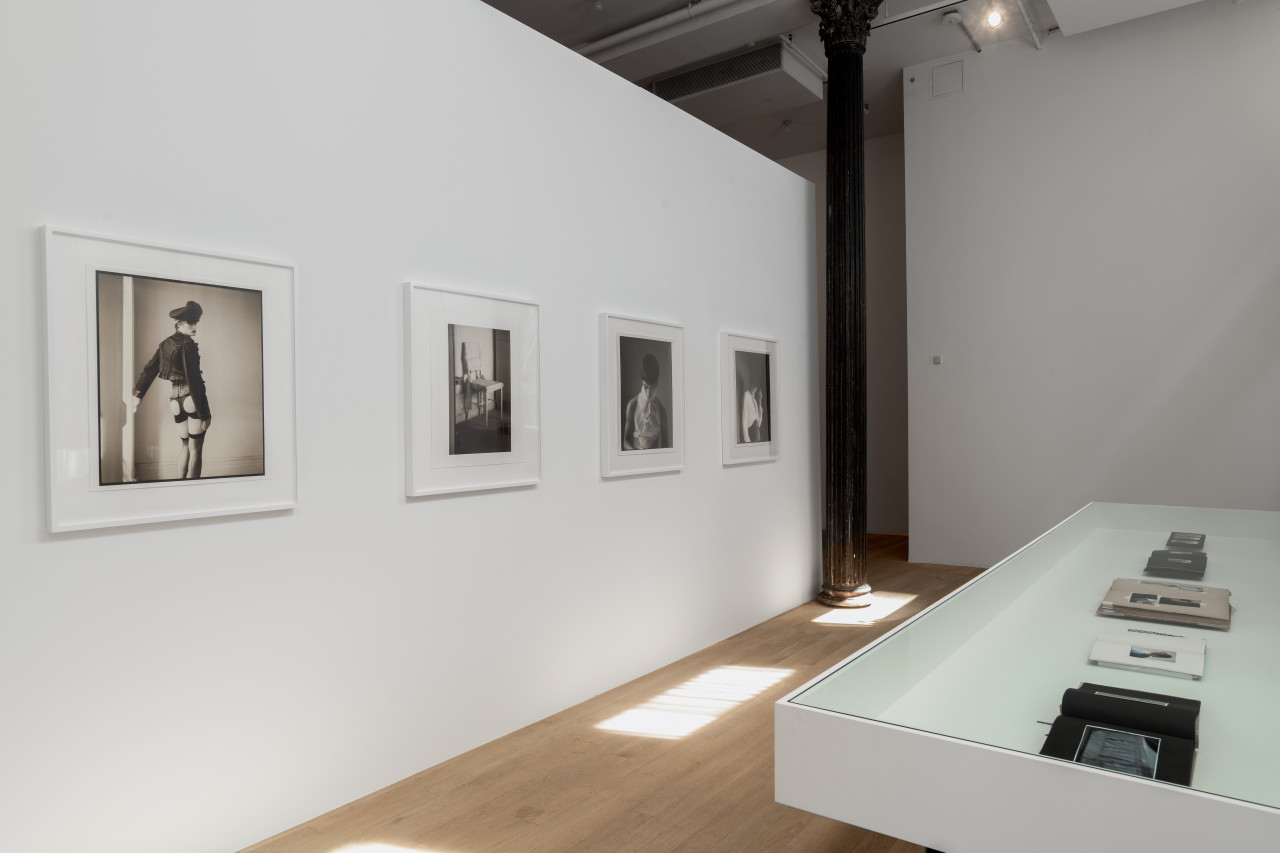
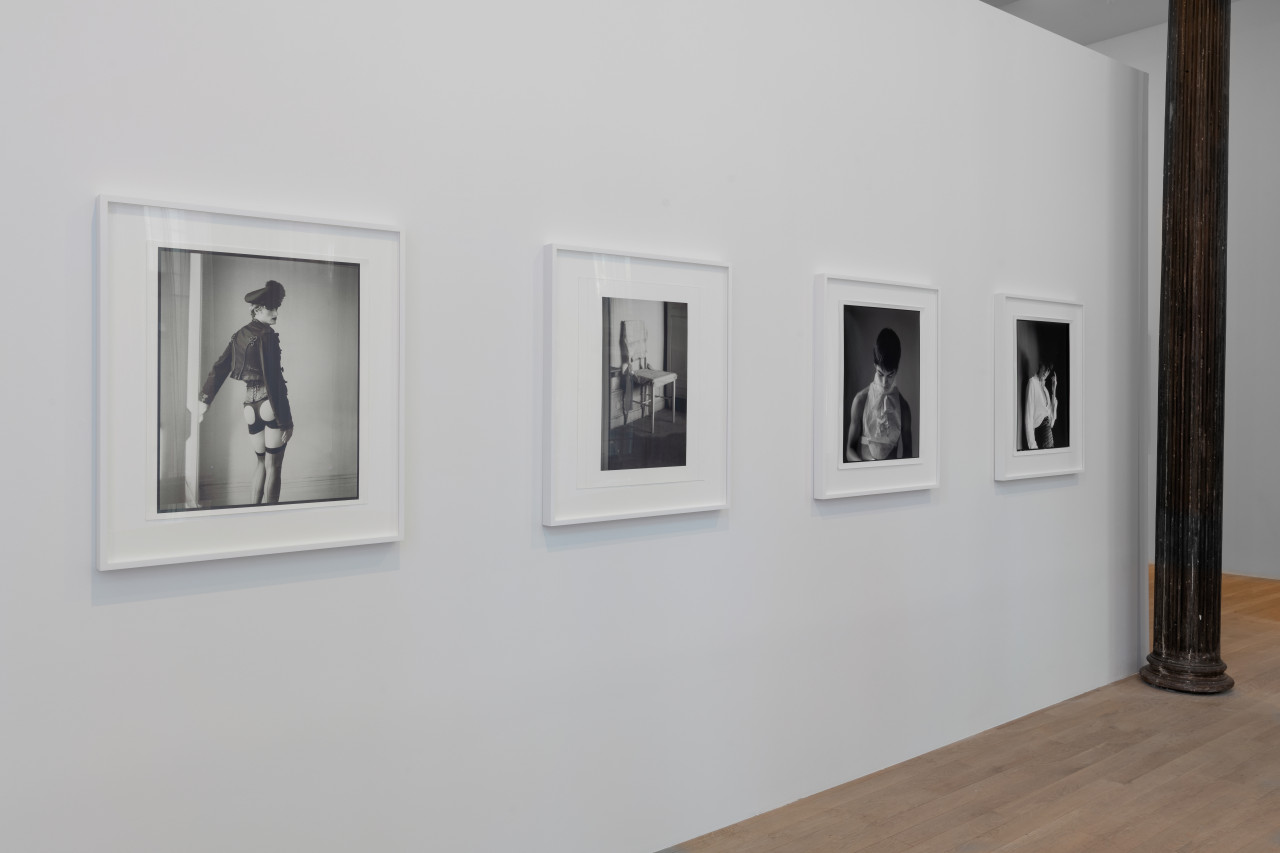
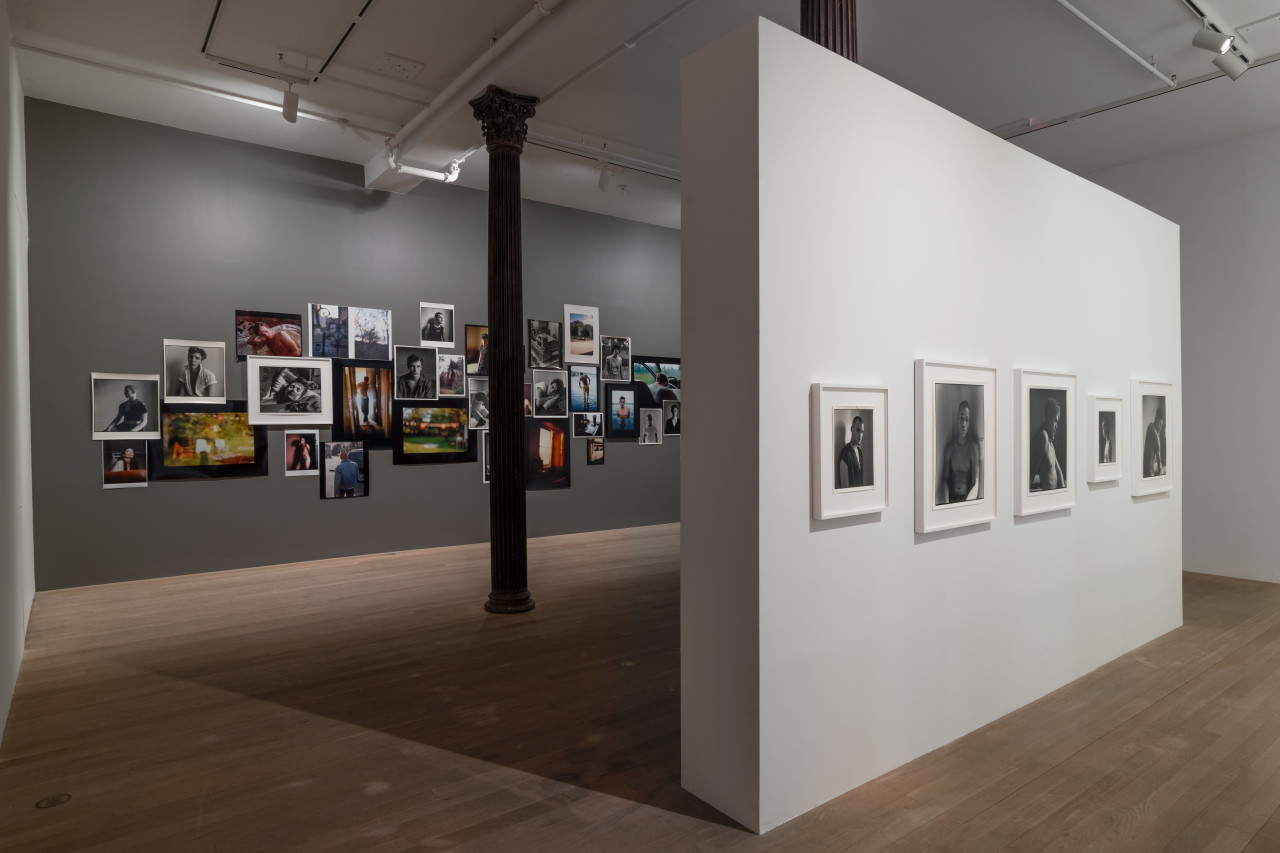
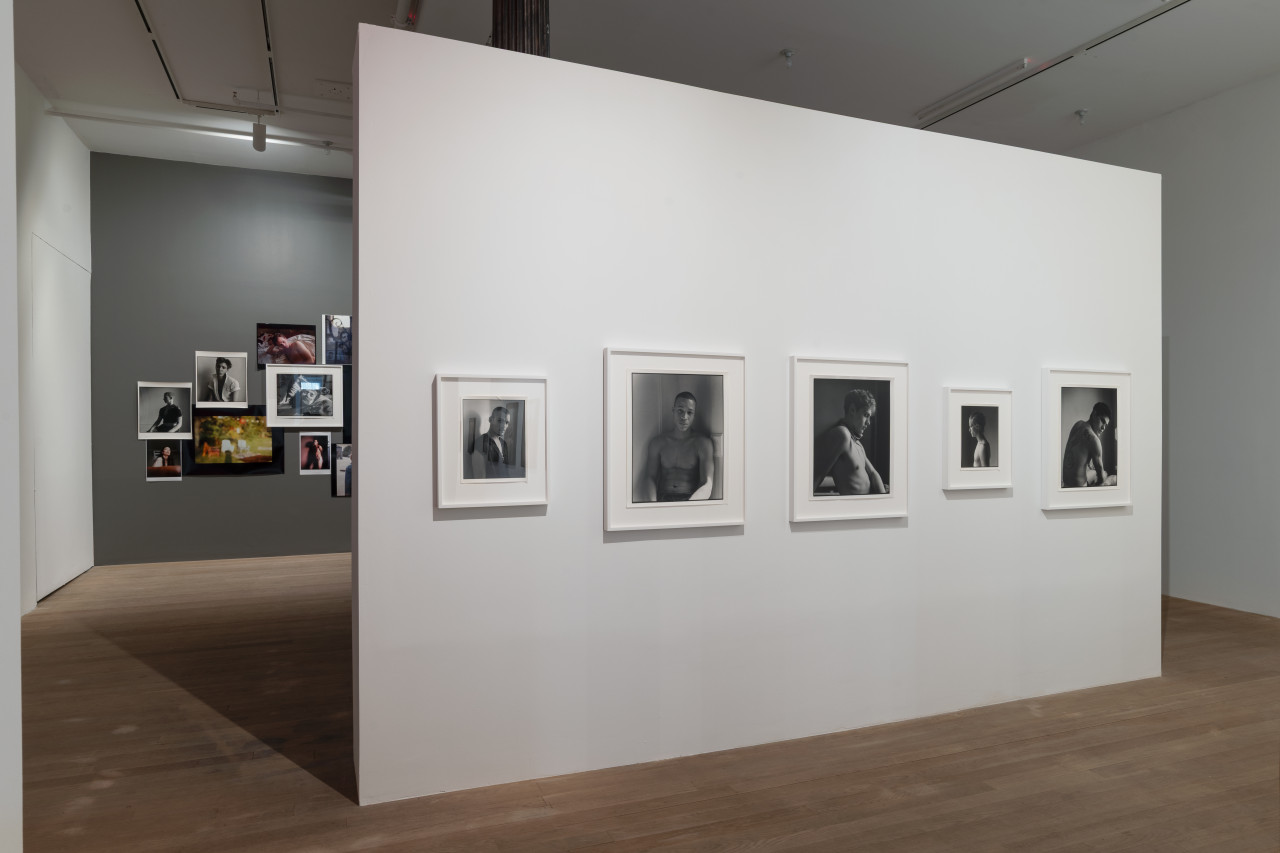
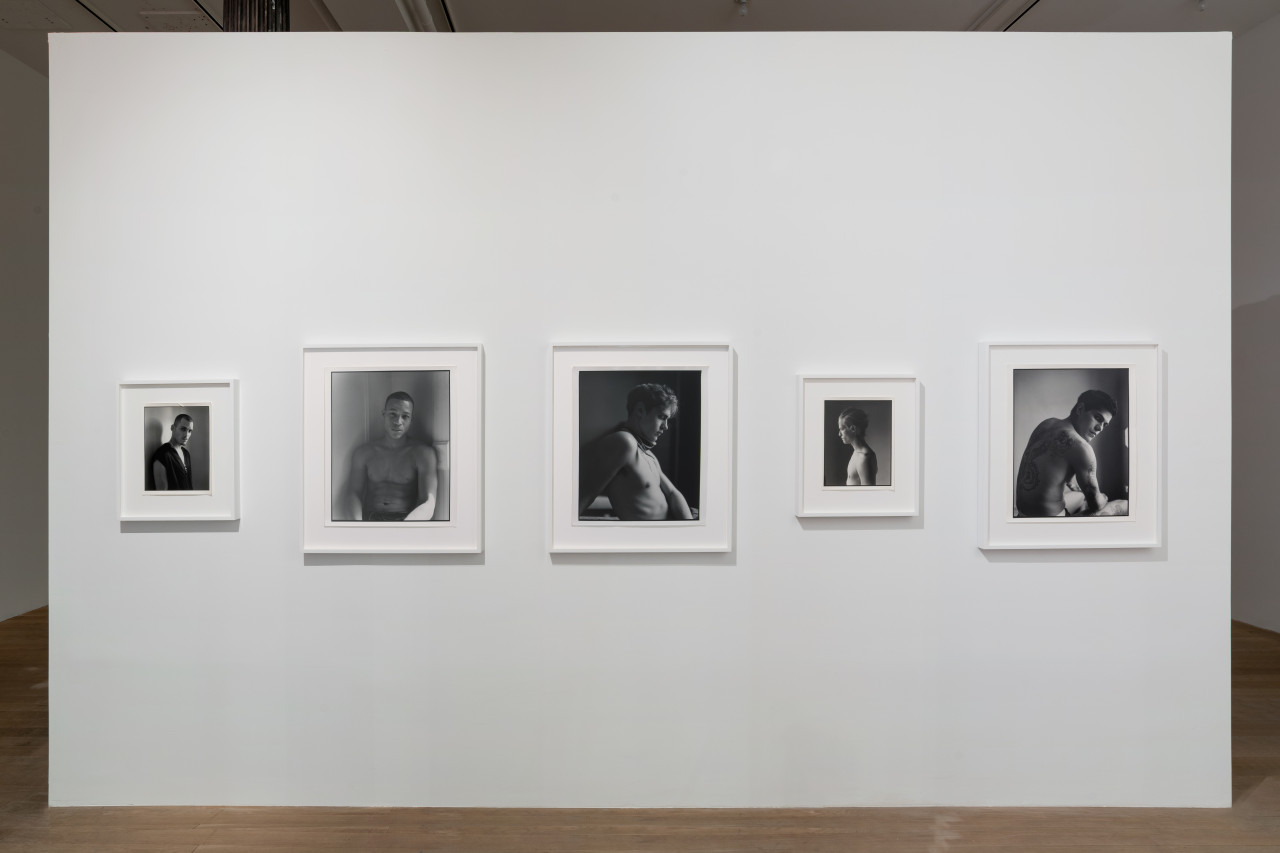
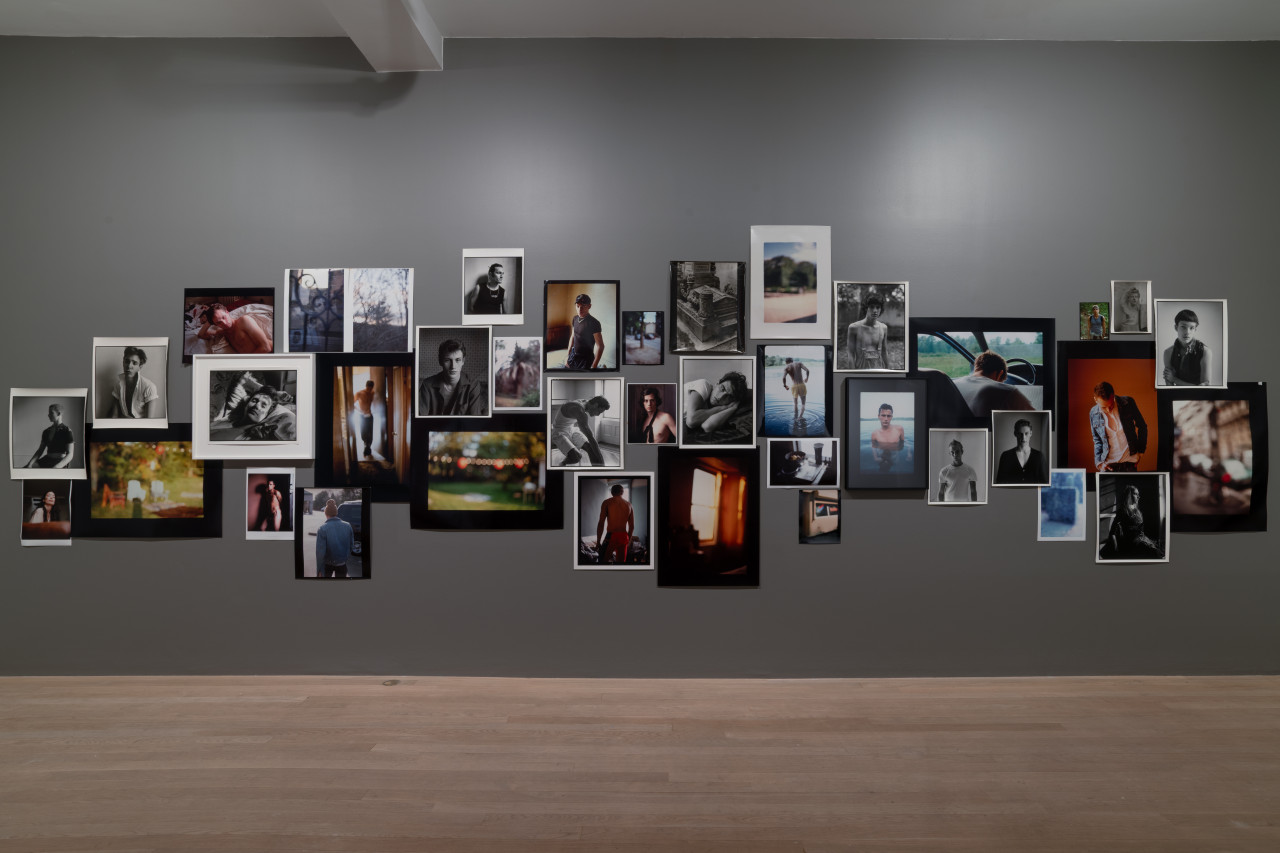
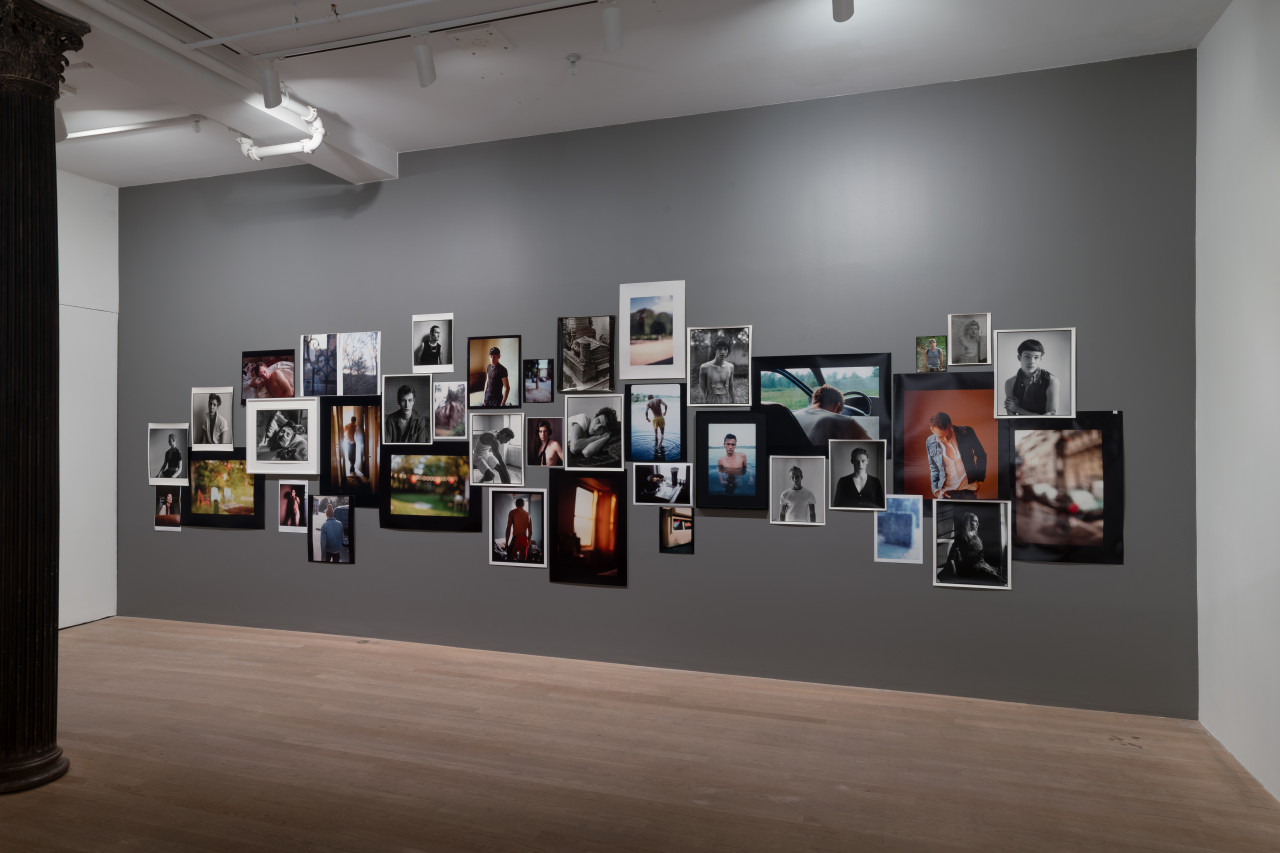
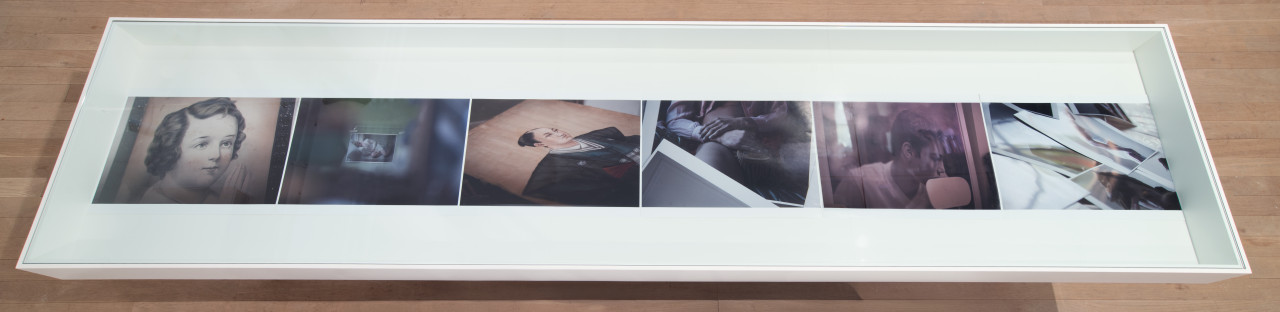
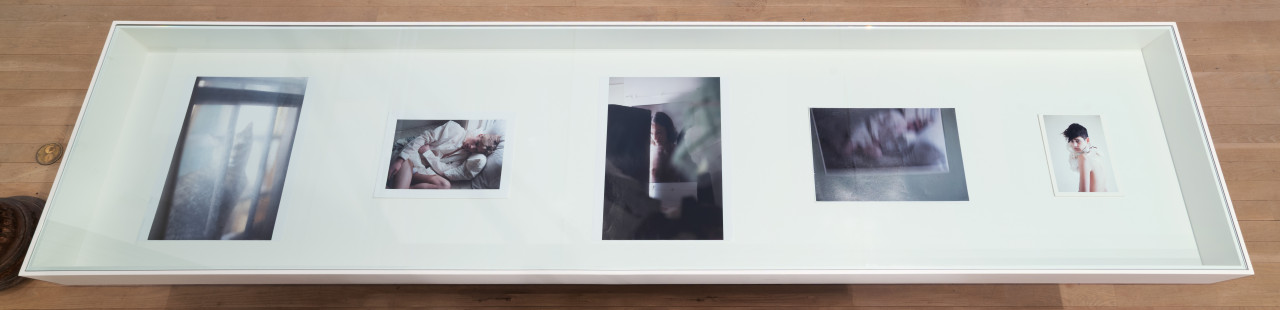
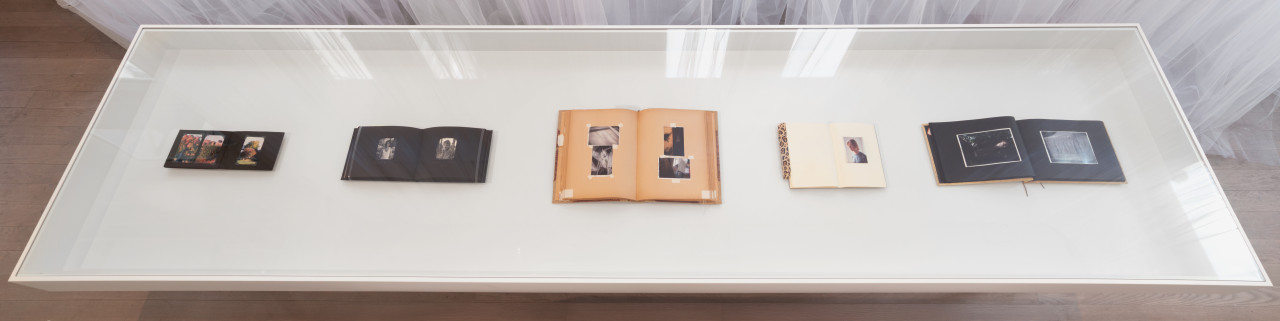
The exhibition brings together over 90 photographs made between the 1990s and the 2010s, comprising primarily vintage prints. Portraits includes sequences that closely echo those that the artist developed in his photographic workbooks and earlier shows, while also including a major installation first staged in 2004. The exhibition traces Armstrong’s artistic progression and the ways in which he mined his own aesthetic foundations to find new directions forward. Co-organized by Artists Space Executive Director & Chief Curator Jay Sanders and Deputy Director Kelly Taxter, the exhibition has been realized in close collaboration with the David Armstrong Archive on behalf of the Estate.
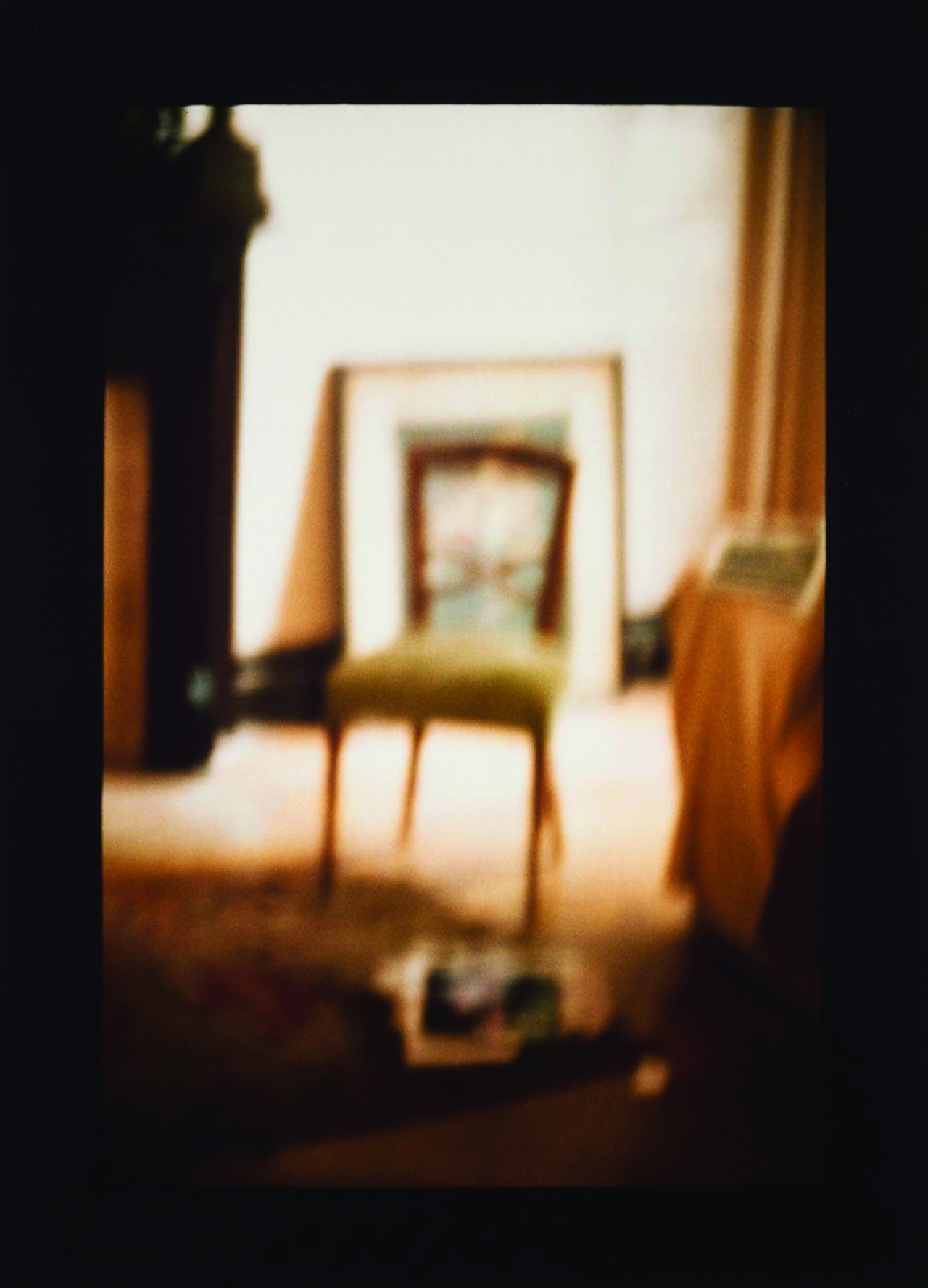
© David Armstrong. Courtesy of the Estate of David Armstrong
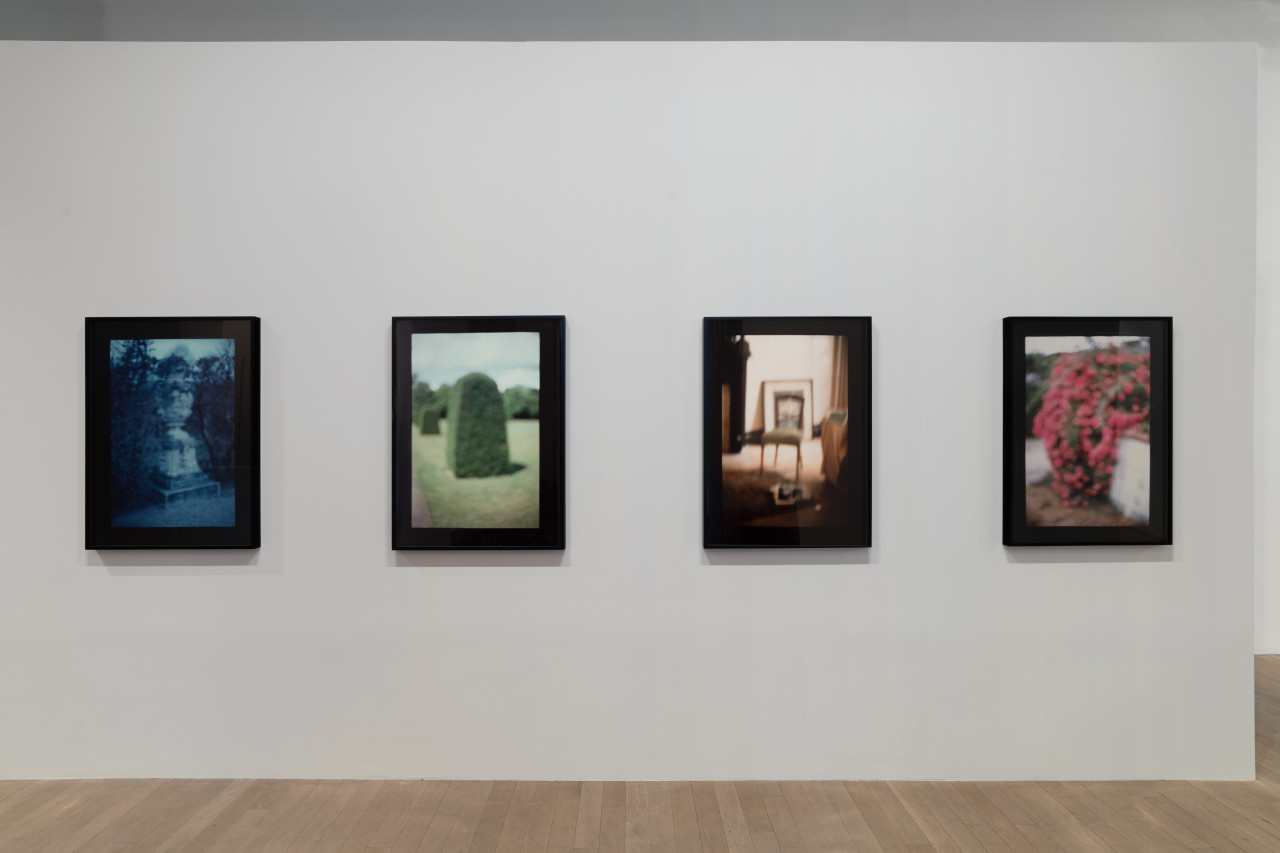
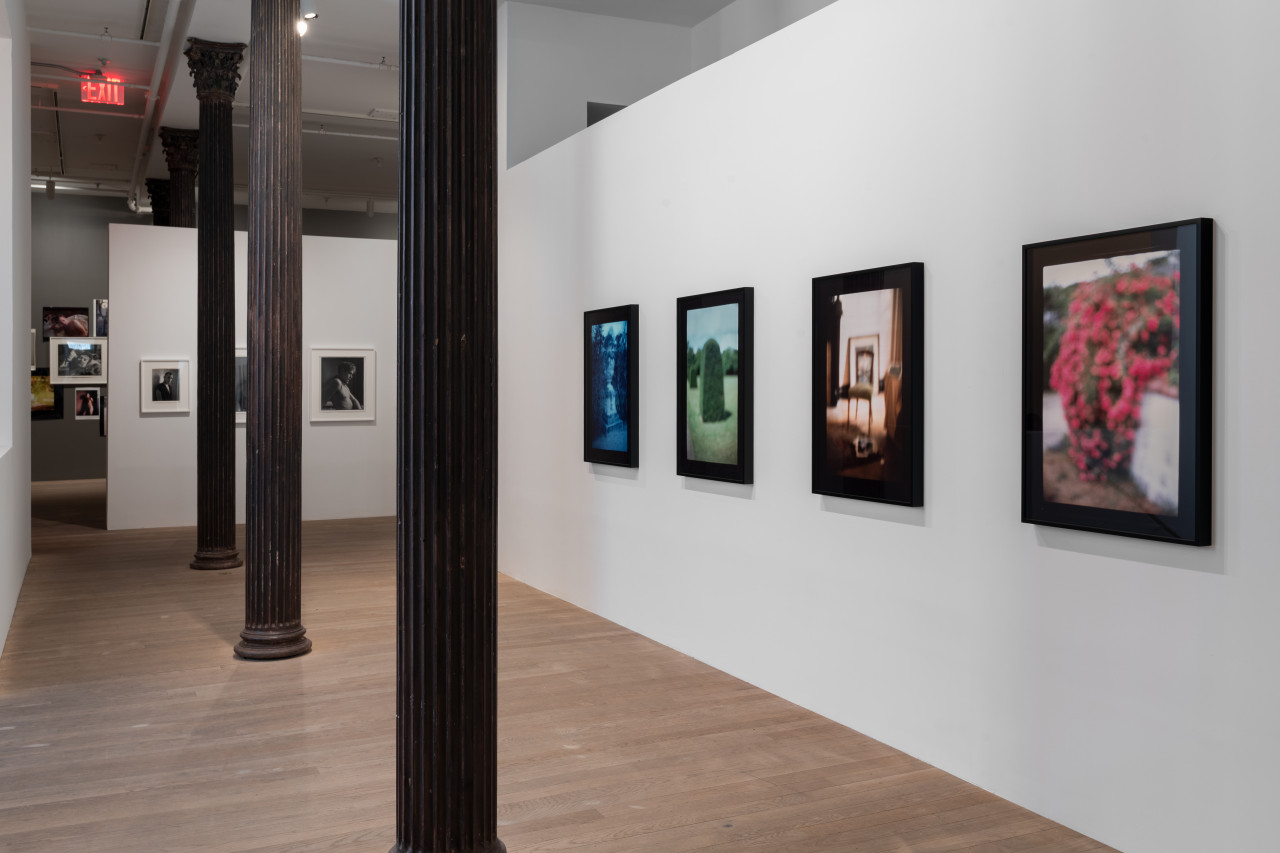
[An out-of-focus photograph of a wooden chair in a golden-lit room decorated with curtains, a carpet, and a framed artwork leaning against the back wall.]
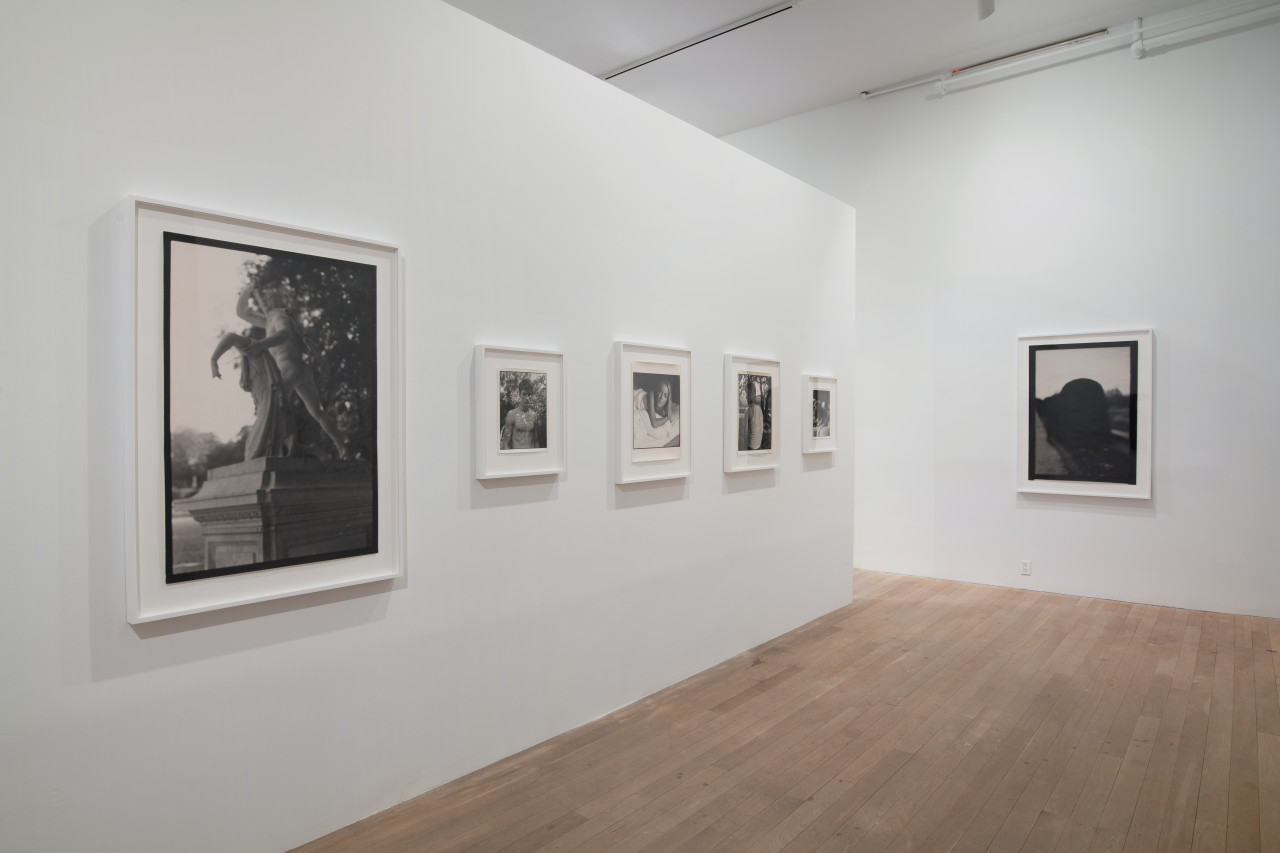
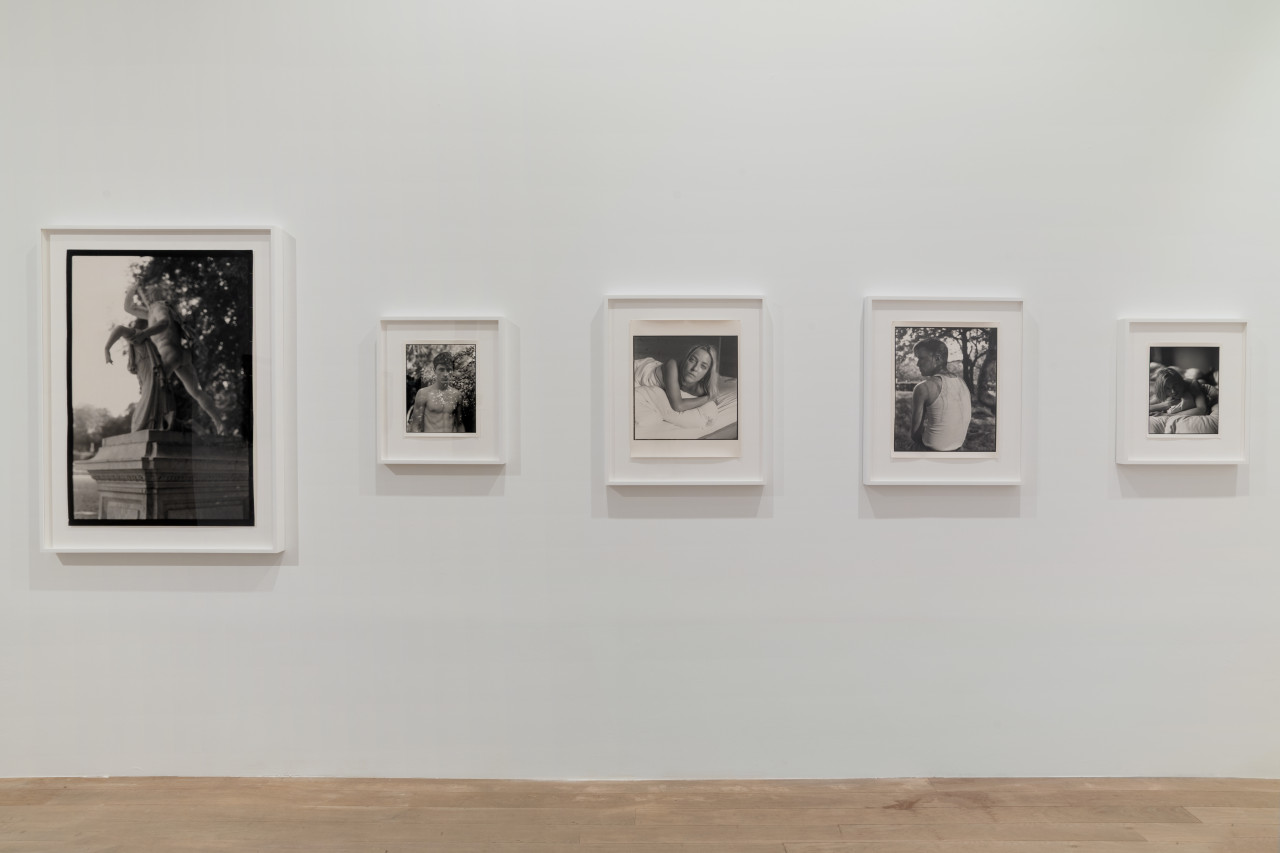
Armstrong emerged in the late 1970s with raw and intimate, black-and-white portraits that captured friends and an extended circle of New York artists, musicians, and self-invented figures such as Cookie Mueller, Patti Astor, Rene Ricard, Johnny Thunders, and Nan Goldin. Technically deft and formally precise, Armstrong photographed his subjects with tenderness and immediacy, producing images imbued with a unique stillness despite the chaos and precarity of the time.
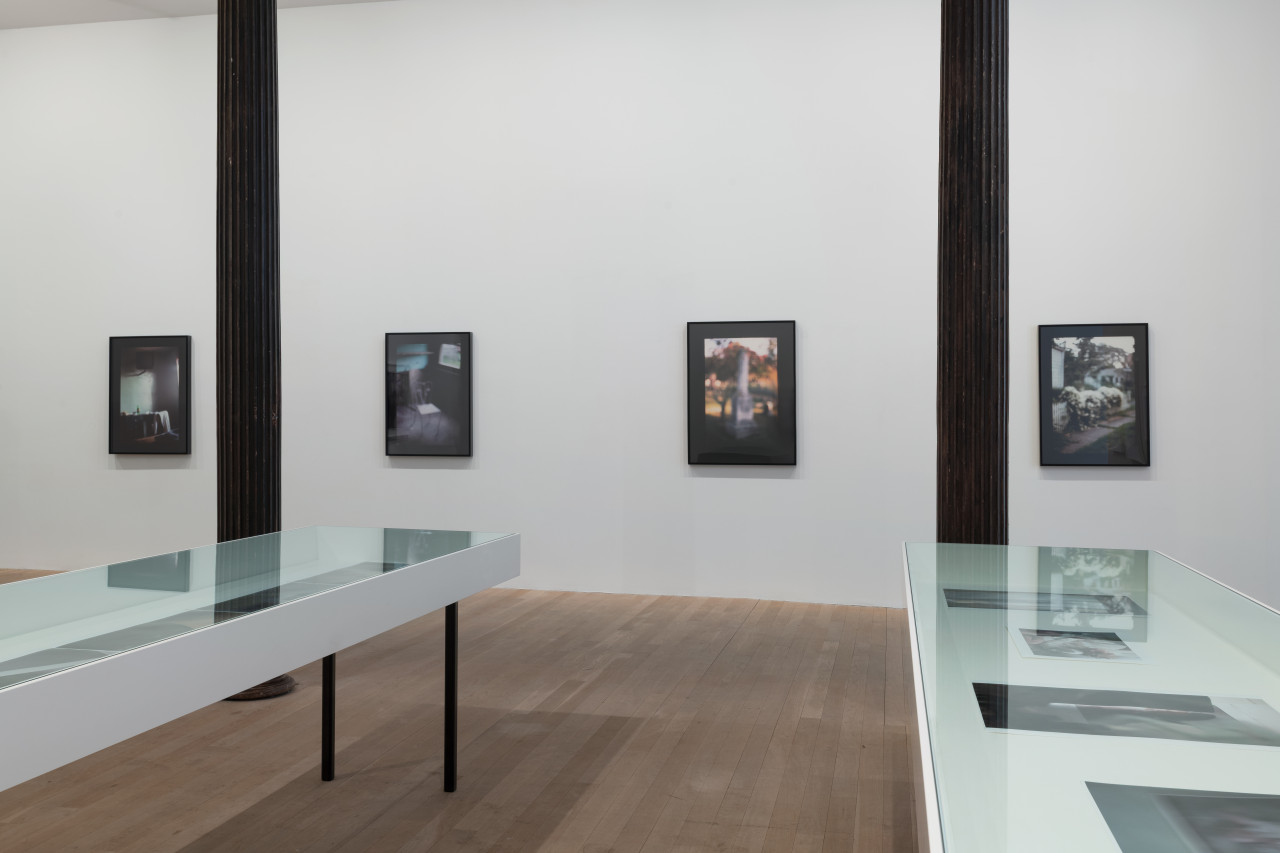
After AIDS devastated the communities pictured in this earlier work, Armstrong turned to landscape and still life. In 1997, he began photographing cityscapes, country landscapes, and formal gardens pointedly out-of-focus, producing lushly saturated Cibachromes and C-prints. Though depopulated, these blurry images of topiary, statuary, trees, shrubs, and pathways evoke the human figure through light, shadow, and atmosphere. Armstrong described these works as producing a “not of this world” effect, as if by making pictures he was at once rooted in a place and able to become unmoored from it. While frustrating and even denying legibility, these photographs' rich saturation and deeply romantic light and shadow achieve a heightened vibrancy and mood of languid receptivity.
In the early 2000s, Armstrong settled into a rambling brownstone on Jefferson Avenue in Brooklyn, which served as his home, studio, and place where his friends and muses also lived. Other photographers often rented the space for its eccentric and deeply textured interiors, which Armstrong both carefully constructed and intuitively accumulated. Spurred on by an influx of fashion editorial work, he returned to photographing people, within this ever-changing space that seemed to free him from the medium’s conventional restraints. He drew on his deep love of historical painting, particularly 16th-century Italian Renaissance portraits and 17th-century Dutch still lifes. He bathed his subjects, predominantly men, in natural light within settings fabricated with casual erudition, making it difficult to place them in time and space.
Further complicating matters, Armstrong soon embraced digital cameras and printing, allowing for newly rapid processes and manipulation. He began using his own images as an experimental point of departure, and for his last body of work, he printed, arranged, and rephotographed his pictures within installation-like collages—once again collapsing depth of field and confusing legibility.
For the first time, David Armstrong’s unique interrogations of both the photographic medium and his own creative process will be elucidated through thirty years of work. He pursued a sustained investigation into how presence is staged, slippery, or can be held onto without being fixed. The consistency of that inquiry positions him not simply as a maker of intimate likenesses but as an artist who tested the limits of what a photograph can contain. In this light, Portraits is the record of a practice at once exacting and restless, intimate and expansive, whose full measure continues to come into view.